Attachment & SEXUALITY (b)

PREVIOUS : Attachment & Sexuality, #1

SITE : Pheromone Enhanced Fragrances


3 Emotion -Motivation Systems (cont)

🟥 Lust (Part 2)

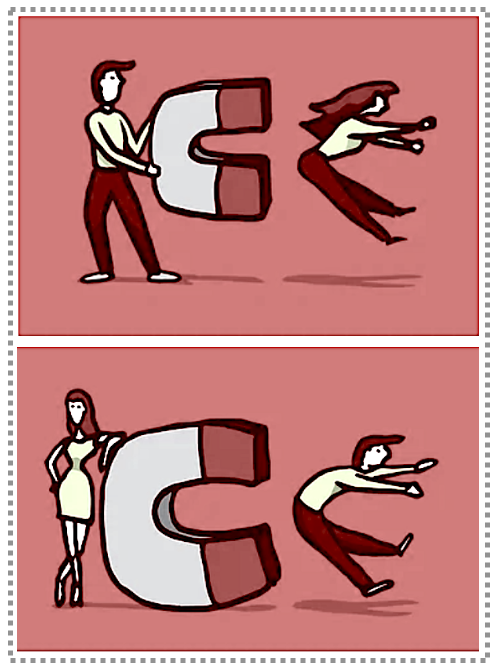
🟩 Attraction / sex appeal = the person’s ability to attract other people sexually, & is a part of our sexual & mate choices. Our response to another person will depend on a combination of our mental & emotional criteria -plus- how much they have the traits we’re looking for.

The attraction can be to physical qualities such as their movements, voice, smell….. as well as aesthetics, such as person’s clothes, jewelry, perfume or hair style, even the environment we meet them in.

It can be influenced by individual genetic, psychological, cultural factors, & undefinable qualities. The degree of sexual attraction to another person depends on a combination of our internal / unconscious criteria -plus- how close the person comes to having the traits we’re looking for.
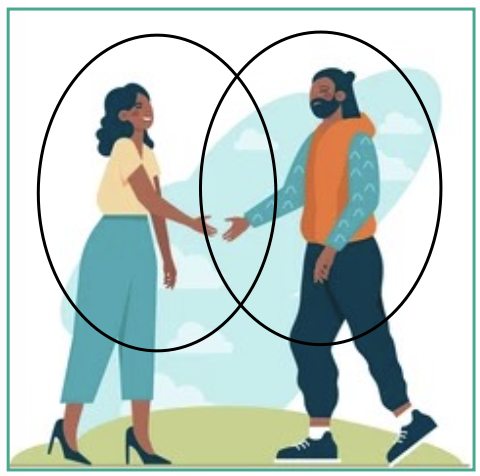
BTW – It only has to take between 90 seconds & 4 minutes for a person to decide if they’re attracted to someone. This is based on 55% body language , 38% voice one & speed, & only 7% of what’s actually said.

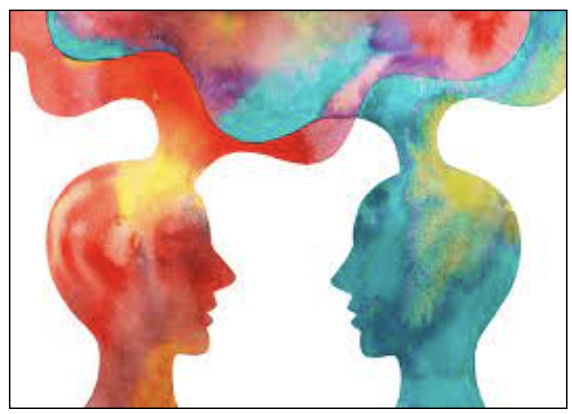
MIRRORINGMuch of having a healthy sex life comes down to social interaction, emotional intelligence & empathy. Being able to read and understand your partner’s cues without them having to verbalize them – although all kinds of communication are important.

Even if we’re not the most scientifically savvy, we have the experience of interacting with other people. So we can probably draw the logical conclusion that mirror neurons play an important role in sexual interaction.

One study by Bangor U in Maine, & Royal Holloway U of London found a link between mirror neurons in the brain and sex which they coined the ‘Erogenous Mirror’. This theory says that we subconsciously instigate mirror neurons by touching our sexual partner where we want to be touched.

Researchers asked (heterosexual) participants about their arousal levels in different sexual situations, & when certain parts of their body were touched.  The responses showed a clear mirroring in their preferences for areas they liked being touched vs. where they liked to touch their partners.
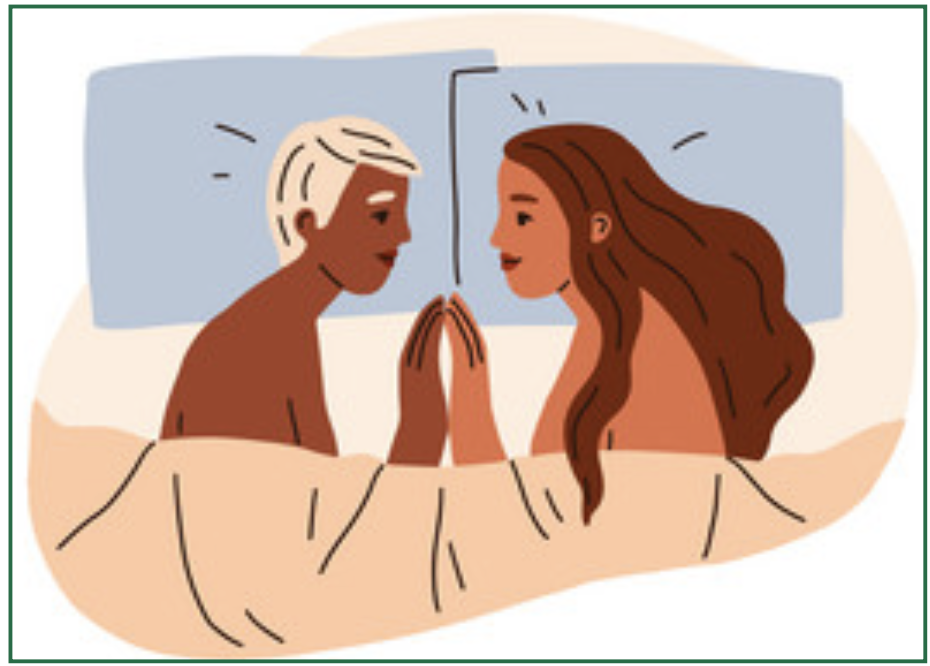
This also indicates why we get pleasure from looking during sexual interactions. When our partner looks at certain parts of our body we imagine or anticipate them touching us there  It suggests we treat our partner’s bodies like our own, blurring the boundaries between ourself & them. 

“We pick up emotional cues through observed actions – our partner’s facial expressions, movement observation & arousal responses.  If mirror neurons play a role in the development of emotional intelligence as we grow & mature, it makes sense they would do the same as we evolve sexually.  There are many biological mechanisms that go into how we relate to each other sexually, & mirror neurons are one (big) piece of the puzzle” (from INTIMINA)

 CHEMISTRY ?
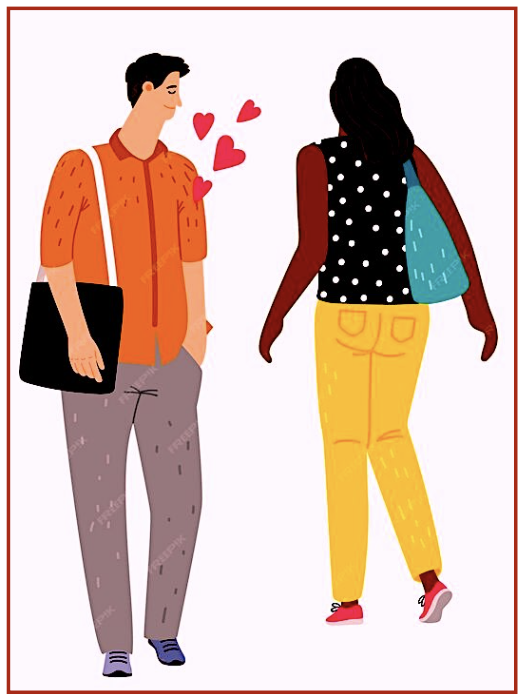
Love at first sight” feels like the immediate attraction to someone we see for the first time. But love has nothing to do with the heart, even when we experience accelerated heart rate or sweaty palms. The stage has to be set perfectly to experience it – which takes place in the brain.

Lust and love are very different emotions, which many people combine without realizing. Attraction often depends on our reaction to someone’s appearance, so physical first impressions are relevant.  Even so, this immediate attachment may actually start with unconsciously recognized pheromones, although natural ones haven’t been located in the human body – yet. (More….) . (Mood & Sexuality )

✓ With neural activity, it’s been speculated that pheromones (in sweat glands….) can lead to sexual attraction & desire, as well as aggression. If so, then humans, like every other animal in nature, put great importance on the smell picked up from their “target”.

Research in Europe found that we usually smell best to a person whose <—- genetically-based immunity to disease —-> differs most from our own, the mix potentially making for stronger, healthier children. This may provide a scientific background for the phrase “opposites attract”. (More…..)

NEXT : Attachment & Sexuality (c)
Attachment & SEXUALITY (a)

PREVIOUS : Attachment & Sexuality – INTRO, #2


3 CATEGOTIES
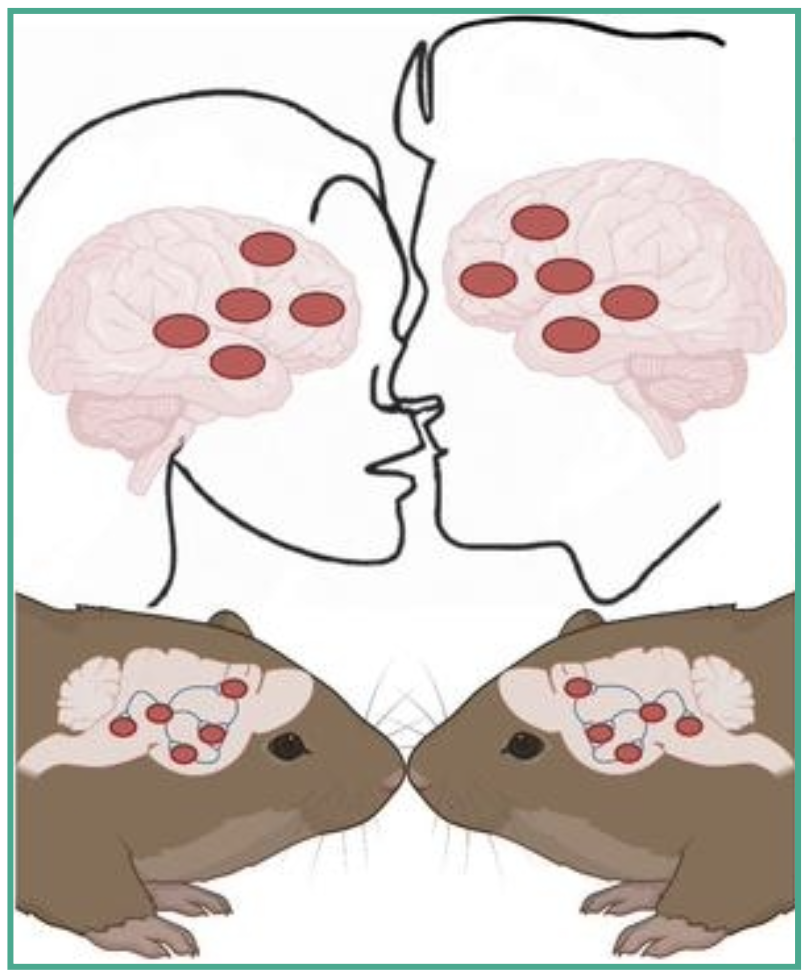
Helen Fisher, PhD et.al. studied the 3 primary inter-related emotion-motivation systems in the brain for mating, reproduction & parenting : Lust, Attraction, Attachment  (other 2 in Part b & c). Each one is associated with a distinct group of brain circuits – neural correlates & a behavioral repertoire

These 3 systems contribute to modern patterns of :
— marriage, adultery, divorce, remarriage
— stalking, homicide, & other crimes of passion
— clinical depression due to romantic rejection.

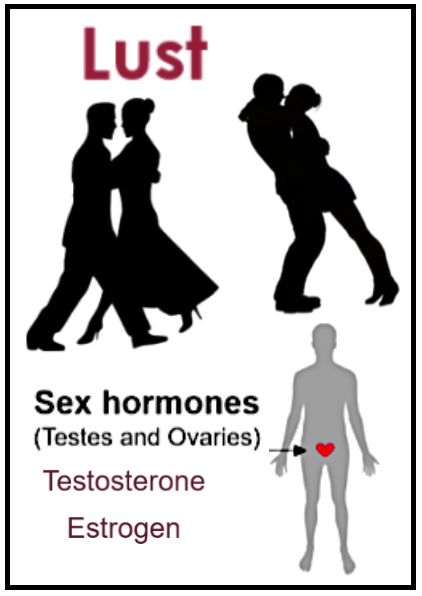
🟥 LUST (libido, sex drive) – needed to initiate the mating process with an appropriate partner.  It’s a physical desire toward someone that does not have to include attraction, attachment, or deeper feelings, but must be satisfied by the instant gratification of a sexual encounter. The poet W. H. Auden called the sex drive “an intolerable neural itch.,” a powerful instinctual need.

Brain chemicals involved in the sexual response include Dopamine, Oxytocin, & Vasopressin – which supports the pair-bond between the sexual partners (may induce the male to become aggressive towards other males).. It’s fueled by Testosterone, Estrogen / androgen neuro-chemicals, which are part of the physiology & sexuality of both women & men.

EXP : In women, estrogen promotes the function of two other hormones = testosterone, which increases sex drive, and oxytocin, ‘the love hormone’, released during physical contact & sexual climax. Women report being more sexually aroused during the ovulation stage of their menstrual cycle when estrogen levels are at their peak.

A study published in the Journal of Sexual Medicine looking at brain scans found that when the feeling of lust was activated (such as looking at erotic photos), the part of the brain associated with pleasure & desire lit up.

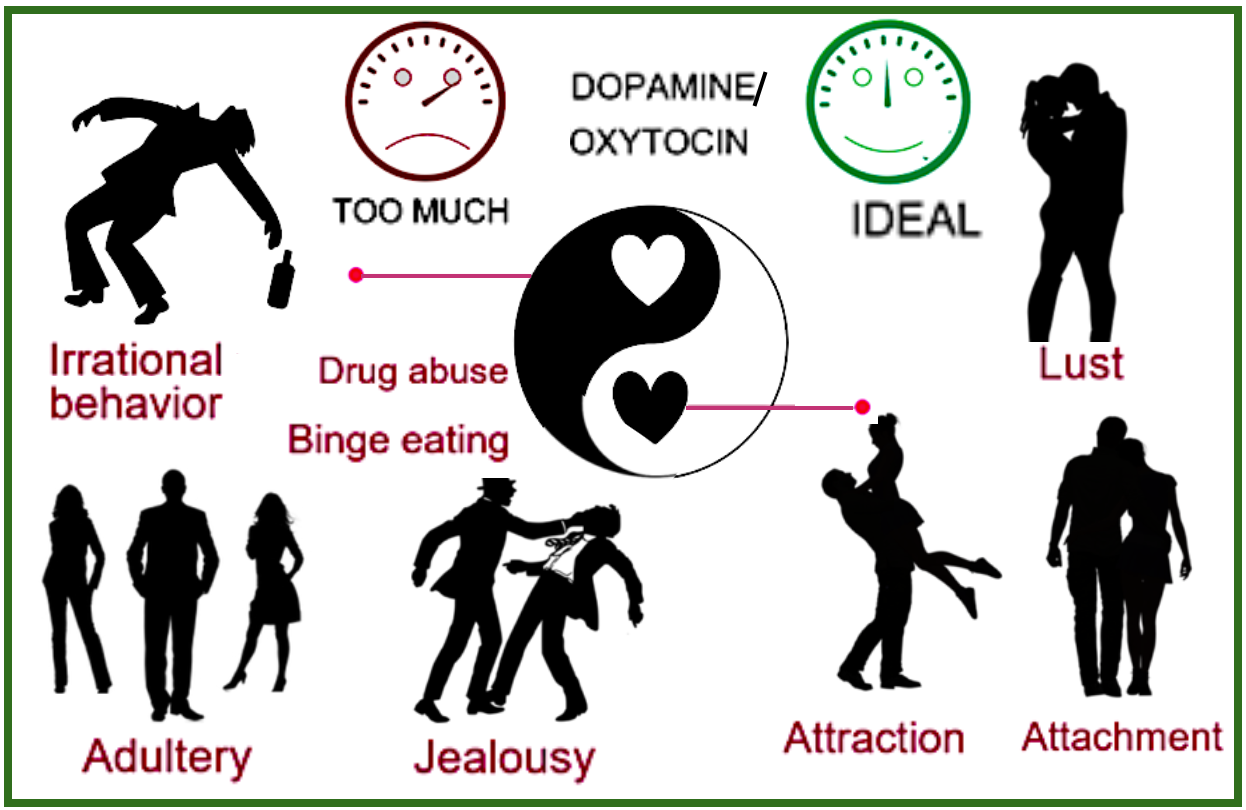
❥ Oxytocin helps reinforce positive feelings we already have toward the people we love. It is thought to increase desire, bonding, feelings of love & empathy, nurturing of children, & feeling calm (testosterone may block these, while estrogen increases them).

Although these effects may be a good things for monogamy,  too much of it can cause the person – whose brain had been chemical hijacked – to dissociate from their environment, & act wild & reckless.
It also suggests that oxytocin plays a role in ethnocentrism, increasing attachment to people in our already-established cultural group —> making those unlike us seem too foreign, potentially leading to prejudice, segregation & violence.

❥ Dopamine & nor-epinephrine, a related hormone, are responsible for the majority of the brain’s reward pathways – controlling our virtues and our vices. D-Levels increase as a potential encounter with a desired object gets closer, triggering heightened attention, motivation & yearning.

When it gushes into the bloodstream, it can feel like taking a drug. It makes us giddy, energetic & euphoric, even leading to decreased appetite & insomnia. Sexual arousal seems to turn off areas of the brain (parts of the prefrontal cortex) that regulate critical thinking, self-awareness, & rational behavior. In short, ‘love’ makes us dumb, so we can end up doing things we later regret.

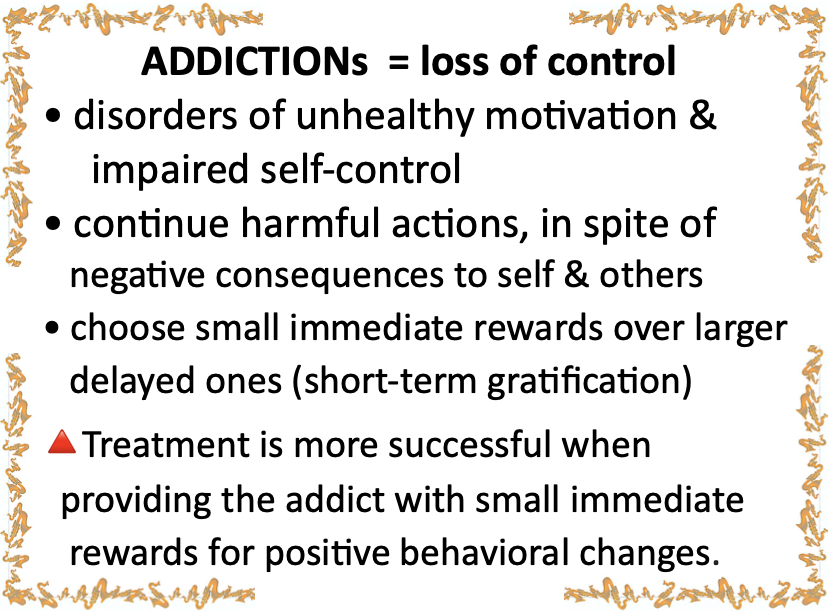
The same brain areas that light up when feeling sexual attraction are the same as when addicts use cocaine, when we binge-eat sweets, or become emotionally dependent on our partner.
And after a breakup, co-dependents longing for the company of their ‘lost love’ have similar chemical reactions to addicts going into withdrawal.
BUT the addictive response is temporary & on occasion, especially when the attraction is new.

Hypersexuality – is defined as “a repetitive, intense preoccupation with sexual fantasies, urges & behaviors that are difficult to control” = an actual addiction. This is not about an occasional spurt of too much dopamine.

Note :  people with very active libidos are not automatically hypersexual. The key is that – as long as they’re in charge of their urges, desires & activities so it doesn’t interfere with their everyday life or hurt others – they’re not sex addicts.

However – the most “sexy nympho or dog’ we know or who we envied in school may have seem(ed) carefree & proud of all their conquests, but that’s not necessarily accurate.
♥︎ Those who are plagued by constant obsessive thoughts & compulsive behaviors often have great mental & emotional distress (guilt, shame, fear of exposure….), causing major life problems and medical damage. (More… & Questions)

NEXT : Attachment & Sexuality #2

Attachment & SEXUALITY – INTRO (#2)

PREVIOUS : Attachment & SEXUALITY – INTRO (#1)

SITE : “Here’s what happens to the body during sex”very interesting


PURPOSE 
While we may think our reasons for having sex are unique to the moment, we can identify our MOTIVES into 4 categories:
1. Intimacy : the desire to feel connected & express love
2. Pleasure : to enjoy our bodies in relationship with our partner’s body
3. Approval : to prove attractiveness, find reassurance, avoid conflict, please partner
4. Coping : minimize unpleasant emotions, self-soothe, gain a sense of status or power

Emotional Attachment styles interacting with Sexual Behavior
Motives 1 & 2: Securely attached couples have 2 main sexual motives: intimacy and pleasure + a strong commitment to each other. When in love, the secure emotional connection makes it easier for the couple to be present, authentic & vulnerable. Initiating sex is more mutual.

Delight in touching, enjoyment of sexual variety, & a desire for genital pleasure — brings tremendous physical excitement. This adds more satisfaction & intimacy to their sexual experience. 

Motives 3 & 1: An Anxiously attached partner’s motives are more about approval – mainly to eliminate feeling inadequate & unattractive, as well as to ‘generate’ love, & from obsession with their romantic partner. Yet, they may prefer the show of affection during sex, being less motivated by pleasure, or even uncomfortable with direct genital stimulation.
Unfortunately, because of their own concern for reassurance & safety (which sex can help with!) they’e less attuned to their partner’s sexual needs & preferences, being more worried about their partner’s love, and their own performance.

In their insecurity, they can miss the chance to shape the sexual experience in ways that are sexually exciting for themself. This can lead to low desire, being disconnected from the pleasure motive (Point 2). 

Motives 4 & 2: Avoidantly attached partners often have sex trying to manage the internal stress of negative feelings such as fear, sadness, emptiness…. & for pleasure too, but mainly without commitment.  They’re more likely to have casual sex, be unfaithful, or use sexual conquests to prove their power. 

They compartmentalize pleasure away from intimacy, finding the emotionally intimate past of the sexual encounter hard to face. To stay self-reliant when in a committed partnership, some Avoidants will prefer to masturbate rather than negotiate with their partner for sex, likely disappointing & frustrating the mate. 

EXP :  when one partner habitually uses sex as a “sleeping pill’ to cope with stress, the other one won’t feel loved or excited by sexual requests when they do occur. Or, maybe the ‘waiting’ partner is the type to acquiesce, but just wants to get it over with quickly, so doesn’t mind sexual advances being rare.

PROMISCUITY =  a complex combination of ‘short-term mating’ with multiple partners during a person’s life, without any of the relationships being exclusive or monogamous . Whether this behavior is acceptable or not is considered a matter of personal opinion.

What motivates someone to be promiscuous varies.

♦︎ Attachment Theory says that people who had a poor relationship with parents in childhood are more likely to become promiscuous as adults, used as temporary relief from the anxiety associated with having an Insecure attachment.

In contrast, people with an original Secure attachment developed with parents, are less motivated to ‘stray’.  However, some theorists believe that one’s gender is a main factor in promiscuity.  The Sexual Strategies Theory argues this is because males – tend to prefer short-term relationships, agree to have sex sooner than females, & have a desire for multiple sex partners.

♦︎ According to the Drive Reduction Theory – to engage in sexual behavior in the first place – the person must feel some level of physical deprivation. However, it doesn’t imply that the need for sex is better met by short term mating.

♦︎ In addition, personality traits play a key role in promiscuity motivation. From the 5-Factor Theory, people high in Extraversion & low in Agreeableness / Conscientiousness are far more likely to have short-term encounters than those who are Introverted &/or high in Agreeableness/ Conscientiousness.

➡️  It also seems that people who have a particularly warm (phlegmatic) or cold (melancholic) temperament are more likely to be promiscuous than moderate types. (More…. extensive info)

NEXT : Attachment & Sexuality

Attachment & SEXUALITY – INTRO (#1)

PREVIOUS : Attachment & Animals #6

SITE :
Sex & Intimacy (many articles)

“Attachment & sexuality impinge on and influence each other. This occurs in other species as well as for humans”. Bowlby (1969)

Gurit E. Birnbaum, Ph.D. : “Sex does not exist in a vacuum. Rather, sexual functioning is likely influenced by views of self & others developed out of early attachment experiences with primary caregivers.

The person’s chosen style (Secure, Anxious, Avoidant) guide their interpersonal interactions over an entire life, which is likely to affect the functioning of their later-maturing sexuality : why people engage in sex, what do they seek from their partners, & how they get their needs met – if at all.
Each of these strategies is driven by specific anxiety, & is intended to ‘satisfy’ interpersonal goals that help cope with these fears.

Emory neuro-scientist Thomas R. Insel wrote :”Virtually every form of psycho-pathology is characterized by abnormal social attachments.”
For 15 years Insel has been studying highly social prairie voles, & found they are a model of ‘family values’. They naturally form lasting, monogamous male-female pair bonds, & prefer the company of their mate over others.

❇️ These characteristics can be attributed to the peptide hormones oxytocin (OT) in females, & vasopressin (AVP), in males. Insel :”Apparently, at least in voles, these 2 systems are activated by pair bonding.”

Insel & his team’s research is not on a hunt for fairy love dust or an elixir for fidelity. Instead, they want to find answers to the more pressing problems of millions of people with severe mental illness, who are not able to form normal social bonds, robbing them of the very fundamentals of human interaction & communication.

re. ATTACHMENT : “Across human cultures, sexual behavior is consistently associated with pair bonding, although sex is neither necessary nor sufficient for bond-formation.”
⬆️  An interesting combination of brain chemicals : I
n human males, AVP (m) peaks during arousal, & oxytocin (f) peaks with ejaculation. (More….)

2 INSECURE Styles
While as human beings, we can indeed separate love and sex, they are designed to be together.  In “Love Sense”, by Dr. Johnson :
1.  Sex without love is defined as “sealed off sex”. When sex is detached from a sense of connection with a partner, it increases their desire to experience new partners & new ways to have sex. A a sexual abuse history or porn addiction (or both) are common causes for a person to disconnect their emotions from adult sexual activity.

Not surprisingly, sealed-off-sex can lead to relationship troubles, because the connection between partners is lost, & resentment brews. As the distance widens, it can cause fights, abusive communicating, & infidelity, when one or both people get pulled into another relationship to compensate for what/s lacking in their current one.

2. Dr. Johnson also identified “solace sex” . If one or both partners doubt their mate’s love & caring for them, AND they’re afraid of their own emotional needs & too anxious to openly tell their partner —-> they start using sex as a way to soothe their fears.

In this case, couples may have sex frequently, instigated by the more insecure one – as a demand for sex many times a day or a week – to be reassured of their partner’s love. It’s as if they’re saying, “I’m unsure you love me, so I need you to ‘show’ me with frequent & intense sex.”
But it’s never satisfying or healing, because by itself it doesn’t develop self-esteem, so they can’t be emotionally vulnerable or trust that the partner genuinely cares.
Relationship problems can include resentment building up in the partner who is being pressured to perform, which increases the insecurity in the one looking to find solace through sex.

SITE: :
A positive view of Solace Sex
Loving sexual passion can help heal insecure emotional attachment.

◆ For anxiously attached  WOMEN —  sexual desire from their partner is deeply reassuring & emotionally stabilizing, allowing them to fall in love & be loved
◆ For anxiously attached MEN, sex creates a positive effect on the relationship soon after the sexual encounter.
For avoidant males,  when their sexual desire-cues are responded to positively – it gives them the feeling that this relationship might be sexually & emotionally safe, so they can open up more.

NEXT : Sexuality INTRO, #2

Attachment, EDs & the BODY (#4)

PREVIOUS: Attachment & the Body #3

SITEBodily ownership & self-location

WOUNDED : What sits at the core of insecure attachment is shame, which is triggered when some undesirable part of the Self is threatened to exposure, & often starts with a jolt of hyper-aroused fear**. This is centered in the amygdala, which fully develops at about 8 months in the womb. So even before we’re born, we can experience powerful emotions of fear & shame. (MORE….)

When someone has had an attachment rupture, especially in early childhood, it can be a lot like food poisoning – you’ll never forget it, & you know it isn’t something you’d choose to repeat.
But having been raised with narcissist. alcoholics, & daily PMES stressors (Physical, Mental, Emotional, Spiritual) we end up associating even positive traits with shame, fear & a sense of danger. Ironically, without Recovery early trauma keeps getting re-enacted throughout our life.

** INFO : Estrogen enhances fear. Testosterone blunts fear & drives status-seeking, which creates an increased vulnerability to shame.
HEALING : To shift out of feeling shame requires self-Compassion.

«
STRESSED :  In a large analysis that looked at over 80 studies, up to 80% of children with a history of parental maltreatment &/or chemical abuse had disorganized attachment. In contrast, only about 15% from low-risk families.

Adults with Disorganized attachment feel more anxiety about their body than the other styles, & have trouble managing the resulting emotion dysregulation. In the context of “failed protection,” bodily self-disorders seem to be related to not having achieved (or been prevented from having) a sense of effectiveness in childhood – to physically “act on one’s own behalf” – starting as early as age 4 months.

One possibility for managing emotion dysregulation is to gain internal self-permission & then activate the inborn capacity & desire to take actions, which will allow the person to calm themself & make constructive changes for self-protection. Developing this resource is for the pleasure of being the cause or source of one’s own behavior, & less about results.

Body OWNERSHIP
It’s the experience of one’s body being one’s own, a central part of human consciousness which determines the boundary between the Self & the external world, a crucial distinction in perception, action & cognition.

⬅️  The 3 components of embodiment:
Top  Self-location refers to the experience of the Self being located at the position of our body
Center: Ownership relates to perceiving the body as the own, as the source of sensations.
Bottom : Agency relates to the feeling of control over one’s own actions – motor movements of the physical body & its desired intentions

Through body-ownership illusions, people can embody artificial bodies that are processed as belonging to or substituting their physical body (and > Illusion testing study ….)

Bodily SELF-CONSCIOUSNESS
It
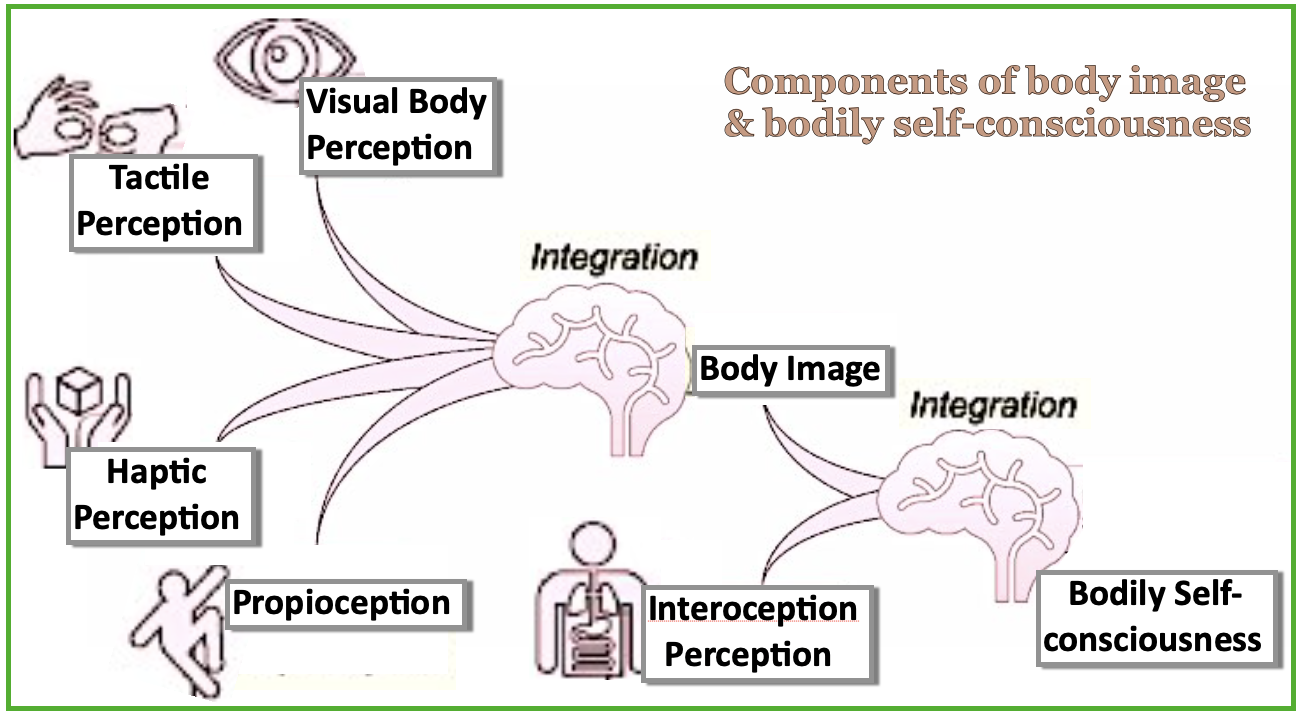
consists of 3 distinct components:
❖ the experience of owning a body, including a sense of agency for bodily actions, affected by information coming in thru the 5 sense
❖ of being a body with a given location within the environment, &
❖ taking a first-person, body-centered, perspective of that environment.

Human adults experience a ‘real me’ as being housed in ‘my body’ and is the ‘I’ of physical experience & mental thought.
We use the sensations from the body to identify & label our physical condition & emotional state.
This combination is the basis for a ‘concept’ of Self’ – through the continuous integration of new sensory & cultural data from 6 different representations of the body ⬇️  (Details in pdf)


«
Body DYSMORPHIA Disorder (BDD)
There is a link between eating disorders & mental health. Co-occurring problems are usually the underlying cause of eating disorders such as BDD.
Often beginning as early as age 12, body dysmorphia is about imagined physical  imperfections. It causes intense emotional distress, adding to whatever self-hate may have developed from being abused & neglected by family, school &/or religious environments.

For BDD teens, contributing factors include the pressure of finding a purpose in life & feeling isolated. What started as
—-> parental control about eating, peer pressure, being ridiculed or marginalized
—–> became fear of abandonment, no self confidence, & a poor body image**
—–> which got twisted into an intense dislike for one’s body unrelated to weight
—-> which spiraled into an obsessive focus on certain body parts.
** These mental health issues contribute to full blown eating disorders, as well as substance abuse, social anxiety, and self-harm.

NEXT : Attachment & Sexuality,, #1

Attachment, EDs & the BODY (#3)

PREVIOUS: Attachment & the BODY, #1

SPACIAL ORIENTATION
DEF : the natural ability to keep our body orientation &/or posture in relation to the surrounding environment (physical space) at rest & in  motion.
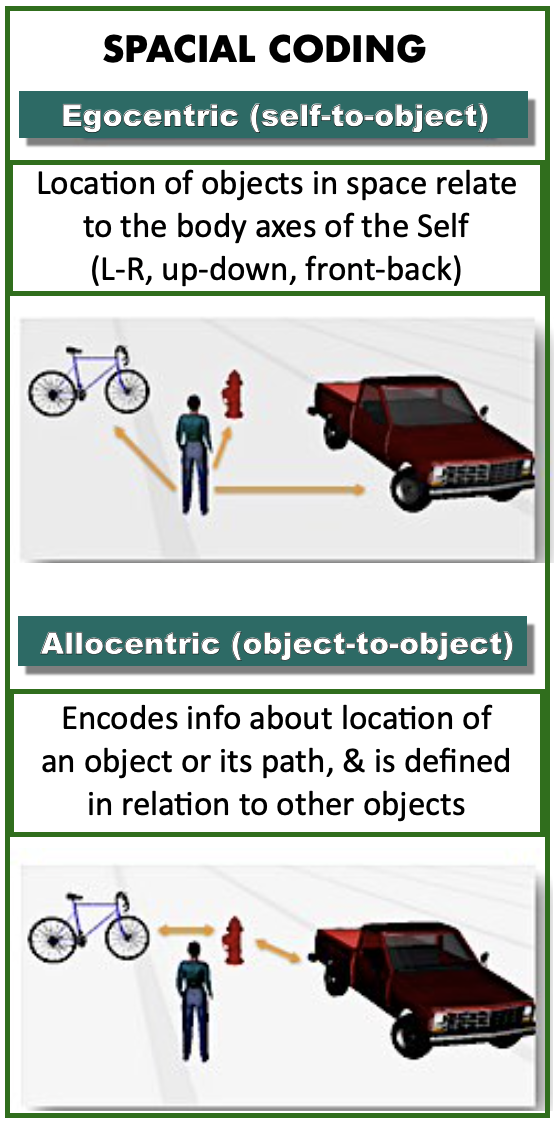
To reach for a remembered object, one must hold an internal spatial image of its location, either relative to some ego-centric (body-fixed) frame of reference such as the eyes, head, or shoulder, OR some allo-centric (world-fixed) frame of reference such as a stable visual landmark. These form 2 general ways self-image is evaluated & invested in (putting effort into oneself)

REMINDER  from Part 1 :  🔺 to develop a secure attachment style, a child needs to be able to visualize physical experiences & emotions with parents. 🔻 This is less likely to happen if those experiences are traumatic – from neglect & abuse .

🕺🏼Ego-centric : √ Self-location = depends on our own position & point of view. It’s the body as first-person experience – involving kinesthetic, optic & vestibular brain systems – the neural activity in the temporo-parietal junction

It’s the ability to point or reach, gathering information from turns, directions, distances, speed…..
Also the emotions coming from our understanding of & fantasies about the body, its parts & function. (Ego = SELF)

🌍 Allo-centric : √ Body ownership = the body as object in the physical world, relative to surrounding objects, those external sources that have a direct influence on our self-image.

It’s gathered from reference points based on one’s location at the moment. It relies on remembering & recognizing objects that are or were around us which progressively forms a mental image about a place or location. From the ventral premotor cortex.  (Allo = Different, Other)

To experience ourself in physical space correctly involves integrating different sensory inputs, formed in distinct neural substrates

IMP: When the integration of these 2 spacial coding systems is not allowed to develop normally or is distorted for some reason,  it locks the person in to the allo-centric version of his body. The Allocentric Lock Theory (ALT) indicates that the ego-centric position is impaired in people with eating disorders (ED), who are not able to absorb sensory inputs from both. 

For them, ego-centric body messages – which depend on our position & point of view are not available to provide the allo-centric sense of self with updated information about our physical relationship to the world. This prevents processing any further body-related experience.

While the allo-centric component is not impaired directly, lack of new info from contrasting ego-centric parietal images creates an incorrect opinion of how we move through space (the brain region which interprets input from other parts of the body),
ED symptoms indicate a deficit in this integration. This can lead to a distorted body image, contributing to the development & maintenance of eating disorders  

Attachment theory & EDs
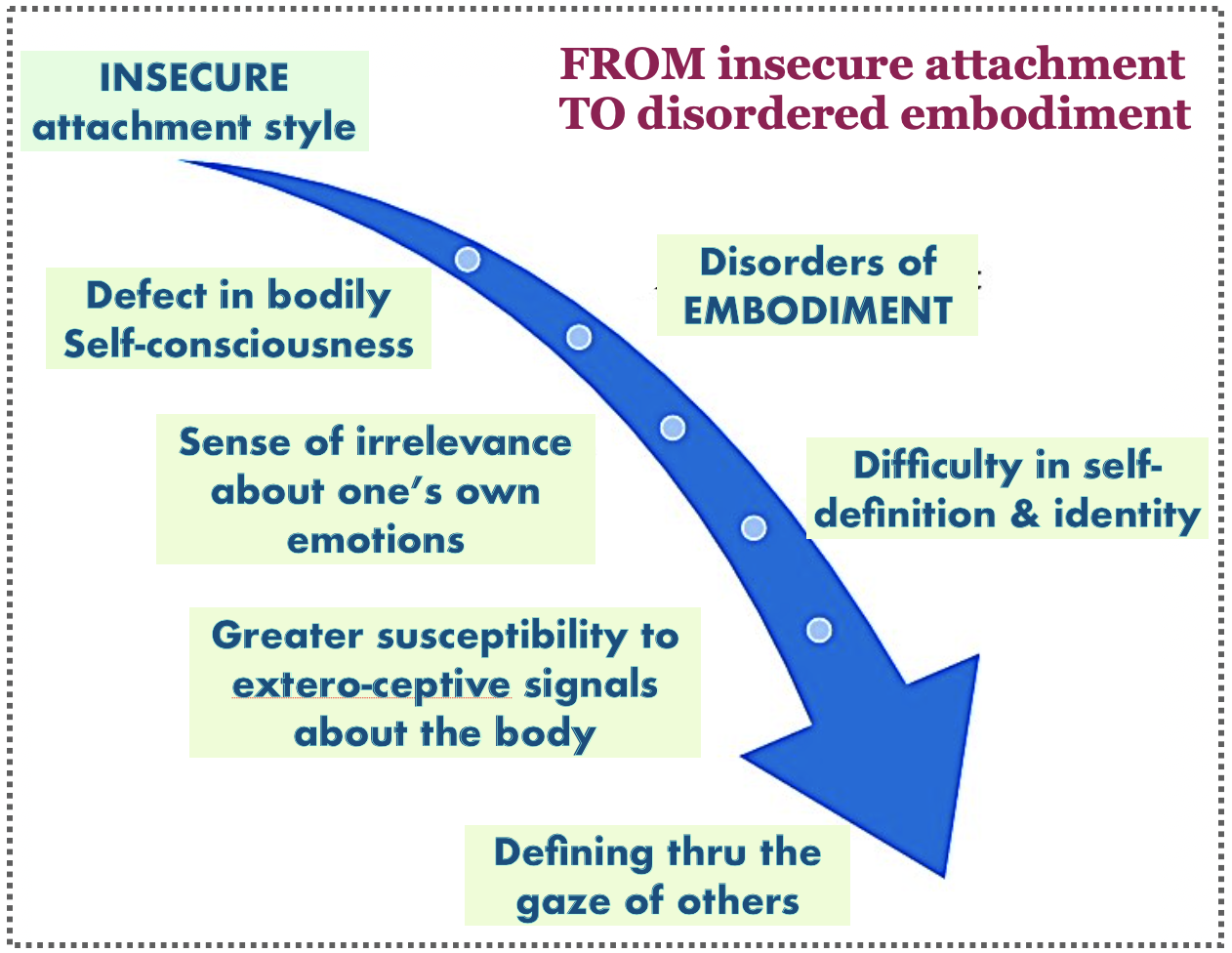
In patients with EDs, the self-reported insecure attachment style may be responsible for abnormal bodily self-consciousness (like looking in a fun-house mirror) or disordered embodiment (missing an internal perspective), which in turn —-> reduces emotion recognition & the ability to feel & decipher bodily “signals” such as hunger, satiety, fatigue or emotional feelings.
EXP : emotional stress can trigger emotional eating.

🔼 FIGURE : The downward curve in the pathogenetic trajectory is made up of the steps of the dysfunctional coping strategy, where — insecurely attached people who are vulnerable to EDs — define themself based on being seen by “the other”, rather than from an internal “pictured” sense of their body.

The Allocentric Lock Hypothesis fits with clinical observations that EDs onset is usually around adolescence, when there’s a gradual shift from being literal to thinking more in the abstract. It’s when there can be a matching balance between ego-centric & allo-centric experiences, based on abstract knowledge, beliefs & attitudes about the body as an object from the third-person perspective.

However, adolescents vulnerable to ED’s psycho-pathology are trapped in the allo-centric representation of the body. Their negative self-image is fed by extreme sensitivity to what they feel is a disapproving gaze & hurtful remarks from others.
The body is not experienced as a direct, first-person reality, but an entity that exists only as something viewed from outside of themself -.so that they only exist in the eyes of ‘the other’ who becomes the mirror to see themself in. (More….)

NEXT : Attachment, Food & the Body, #3

Attachment, EDs & the BODY (#2)


PREVIOUS: Attachment, EDs & the BODY (#2)


BODY IMAGE
There is a onebodyoneperson rule with 2 assumptions:
— a body is an individual entity circumscribed by the skin, which makes it an ideal vessel or ‘material carrier’ for the Person.
— a Person is a biographical entity who moves with their body between a variety of situations, but both person & body stay basically the same over time, independent of contexts.

Body image is a person’s experience of the physical self & is important for both psychological development & quality of life.
It can be thought of as a positive, energetic, constantly changing mental picture of the bodily self. The bodily self and body image grows out of the original attachment relationship through maternal mirroring, being in tune with & responding sensitively to the child’s signals.

The idea of ‘body image’ is made up of :
(1) the person’s perceptions / ideas of their body
(2) interpretations of & attitudes re. those perceptions
(3) visible behaviors in response to them

Appearance orientation indicates how invested one is in how they look People who pay too much attention (psychologically) to their appearance are over-sensitive to physical symptoms, & anxious about gaining weight.
The stronger the focus, the more it’s about wanting to mentally (& physically – if possible) reunite with the – real or fantasy – image of the lost mother, to achieve synchronicity and reciprocity in their inner world.
Compulsive ED behaviors try to create an “ideal appearance that will now guarantee the love & desire of the other” (mother, lover) at least in their own mind.

A negative body image can result in harmful psycho-social outcomes for both genders. It can effect competence in social & occupational functioning, causing a poor quality of life, with low self-esteem, depression, social anxiety, sexual dysfunction, suicidal tendencies, substance abuse, & self-harm.

It’s also a key element in the development of eating disorders. Although EDs are related to physical needs & actions of the body, (the behavioral dimension) , they are used as compensation, to hide feelings of anger, fear, vulnerability, inadequacy or helplessness.
«

«
Research on body image identifies three sources of environmental stressors : parents, peers and media. Family is the usual environment where physical & psychological development occur, so family dynamics play an important role in body image development. Missing an emotionally safe connection with mom, the unhappy child will form a stronger investment in the bodily self
 (Part 1)

Memories of traumatic experiences, which are often body-related, may lead to rejection or withdrawal from the body.People struggling with a negative body image are at a higher risk of developing Mood disorders, Relationship problems, & Self-harm tendencies

Attachment trauma is any experience that instinctively signals a threat to breaking the child’s original Relationship-with-mom, or a danger to the Self.  It’s a very real experience of Irreversible Separation. And Disorganized Attachment represents the impossibility of the child feeling secure & protected.
❇️ In Recovery, developing a sense of intimacy with a safe figure of attachment is the solution to relieving fear.

⚠️ SIDEBAR : However, the opportunity to correct body image distortions requires finally feeling unspoken abandonment experiences from childhood. But there is powerful resistance to re-experiencing those accumulated & suppressed emotions about being traumatized by Mom. ⚠️
The basis of disorganization is the fear of attachment, which can show up in a more tangible way as problematizing the body, in several ways:
– worry about their physical health & actions that try to controlling it
– anxiety about weight gain, which leads to dieting
– behaviors aimed at improving appearance.

CAUSE : They did not originally get relief of physical & mental sensations from Mother, which would have allowed them to process distressing emotions (fear, frustration, anger) through her words & actions to desomatize them, meaning —-> to not get trapped in the nerves, tissues & organs of the body.

SENSORY PROCESSING Disorder (SPD)
The inability to use information from the body. When the brain’s processing ability is disordered it can’t do its most important job of organizing incoming sensory messages.

SPD profoundly harms a person’s emotional, physical, social, and/or psychological well-being. Also, research has found a link between SP problems & some eating disorders.
SPD is an umbrella term to cover a variety of neurological disabilities. (Extensive Info) See also “33 Signs of SPD”

NEXT : Attachment, EDs &amp; the BODY (#3)