
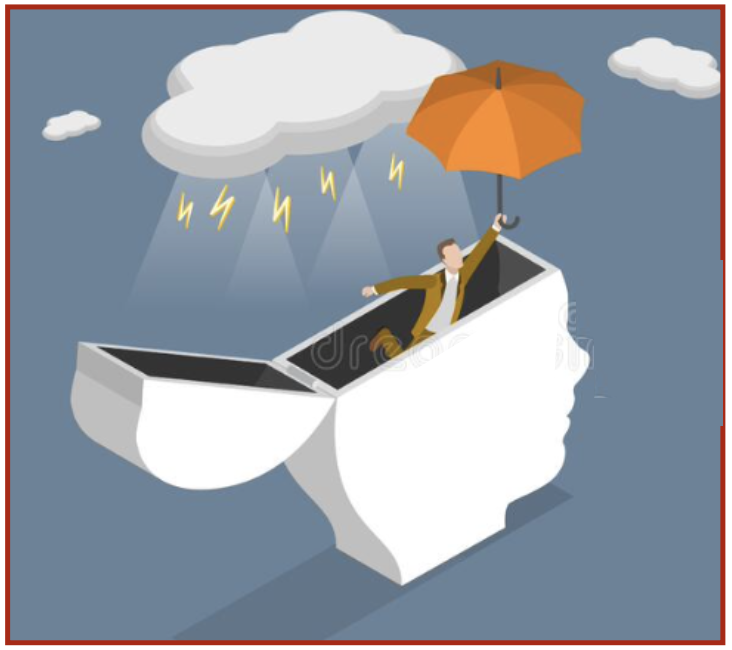
 PREVIOUS: S-R & Students
SITE : “Most Effective Emotion Regulation Strategy”
As ADULTS : How we deal with life’s stressors lays the foundation for all other activity. Developing self-regulation (S-R) requires emotional intelligence, self-awareness, & efficient filtering of sensory input. It’s the ability to cope effectively with problems, interact well-enough with others & keep mentally focused.
FOUNDATION of S-R : Being kind to yourself
One of the most important requirements is practicing self-compassion, especially giving yourself some grace when struggling. Since nothing & no-one is perfect, we can learn from failing & disappointment – if we reframe situations correctly.
Broadly – S-R is both the ability to START doing something &/or to STOP doing something – when needed. S-R people usually can delay gratification (for an age-appropriate length of time), & suppress immediate impulses long enough to consider consequences or plan alternate behaviors.
In S-R, when triggered – both our action-responses to stress & the underlying energy or tension need to be identified & addressed. Some coping tools are: good health habits, psychological self-care, developing resilience, religious &/or secular education…. (More….)
Main S-R strategies
❤️ Emotion-focused – reducing or minimizing internal painful emotions. They’re used when one’s situation cannot be changed.
 EXP : Emotional venting, Resigned acceptance, & Preparing for the worst…
Benefits : • Clearer thinking
• Easier to stay in the present
• Healthier emotional expression
• Reduces toxic stress
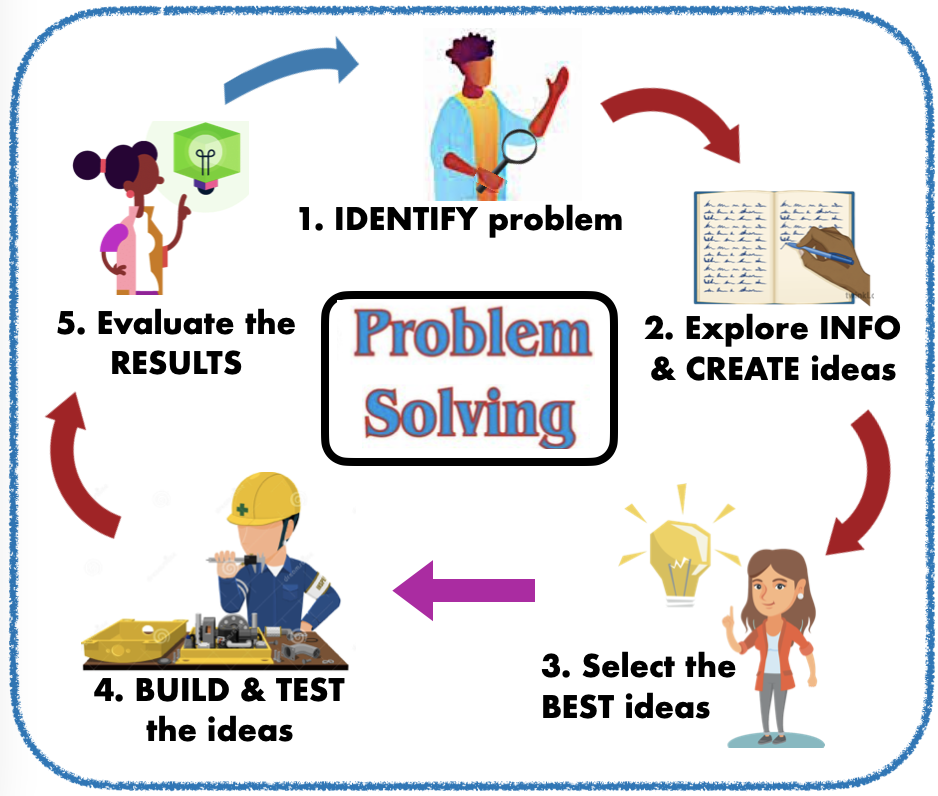
💚 Problem-focused – dealing with the cause of stressful experiences, or to correct overtaxed personal resources. They’re used when one’s situation can be changed.
It’s about taking action, creating constructive solutions or strategies to improve things.
Because this approach is externally focused, the goal is to solve realistic problems rather than change one’s emotional state in difficult circumstances.
EXP : A student who is nervous about giving a presentation may cope by practicing it for several days before the event, attending “How to Present”seminars, &/or asking friends to listen to what they’ve written to get helpful feedback.
FOCUS of S-R Strategies
a. MENTAL = Cognitive reframing (thinking realistically) is when a person “fills the gap” between what is expected & what has been observed, trying to make sense of what is going on following a surprise.
(Explanation of component parts ⤵️ )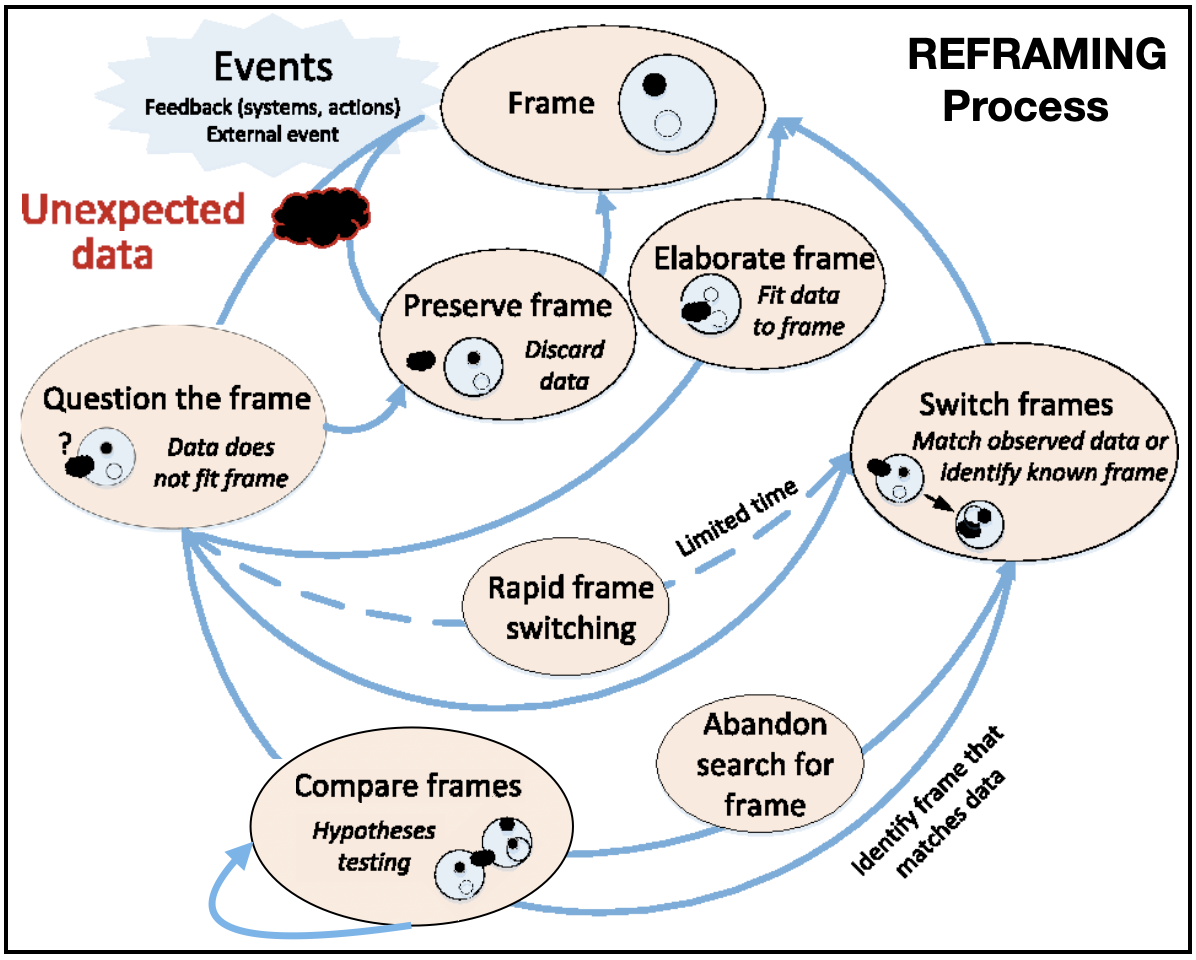
«
S-R is strengthened when we correctly interpret a potentially emotion-eliciting situation (pushes our button), by reversing how we ‘see’ it – from a negative to positive point of view.
Challenging unhelpful thoughts / beliefs (narcissistic, self-hating….) will legitimately change the emotional response to the stressor, ‘lightening’ what might otherwise have an intense impact.
 Research shows that accurate mental evaluations produce fewer painful emotions (anxiety, self-hate) & negative defenses (avoidance, distraction, dissociation). A 2016 study examined the link between emotional well-being and S-R strategies (mindfulness, cognitive reappraisal & emotion-soothing).
These tools make us feel more grounded, reducing pleasant emotions such as enthusiasm, happiness, satisfaction & excitement or peacefulness.
Other useful S-R strategies include Acceptance of all emotions, Behavioral options, Self-soothing & Problem-solving. Also, being positive by Celebrating small wins or when achieving a goal. (Read all posts in “What just happened?)
b. ACTIONS = Behavioral S-R is when we DO specific things that move us toward short or long-term goals. This type of strategy lets us us stay in charge of ourself no matter how we’re feeling at the moment.
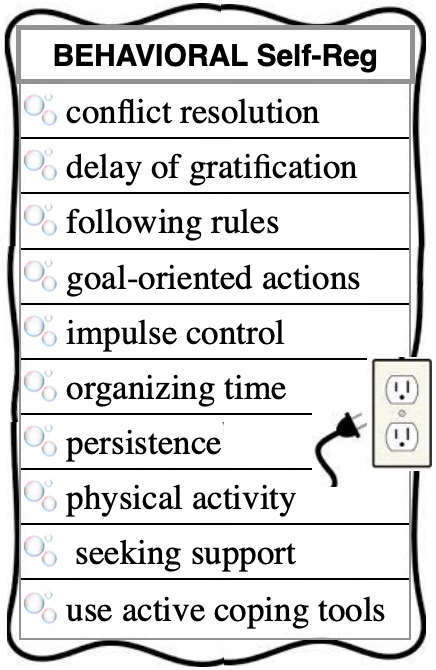 EXP : You don’t want to go to the office today, but you have to – because the ‘big’ meeting that’s scheduled at 9am will have long-term consequences for you – like a promotion or salary hike in the near future. So, you get out of bed, take a shower, dress & arrive at work on time.
LACK of S-R can cause a range of mental health problems. In children & young people it’s most observable in aggressive & impulsive behavior, attentional difficulties, withdrawal, self-harm, & engaging in hi-risk behaviors such as substance use.
«
«
NEXT : Self-Reg & Adults, #2
 HEAL & GROW for ACoAs