
 PREVIOUS : Attachment & Sexuality, #1
3 Emotion -Motivation Systems (cont)
🟥 Lust // 🟩 Attraction
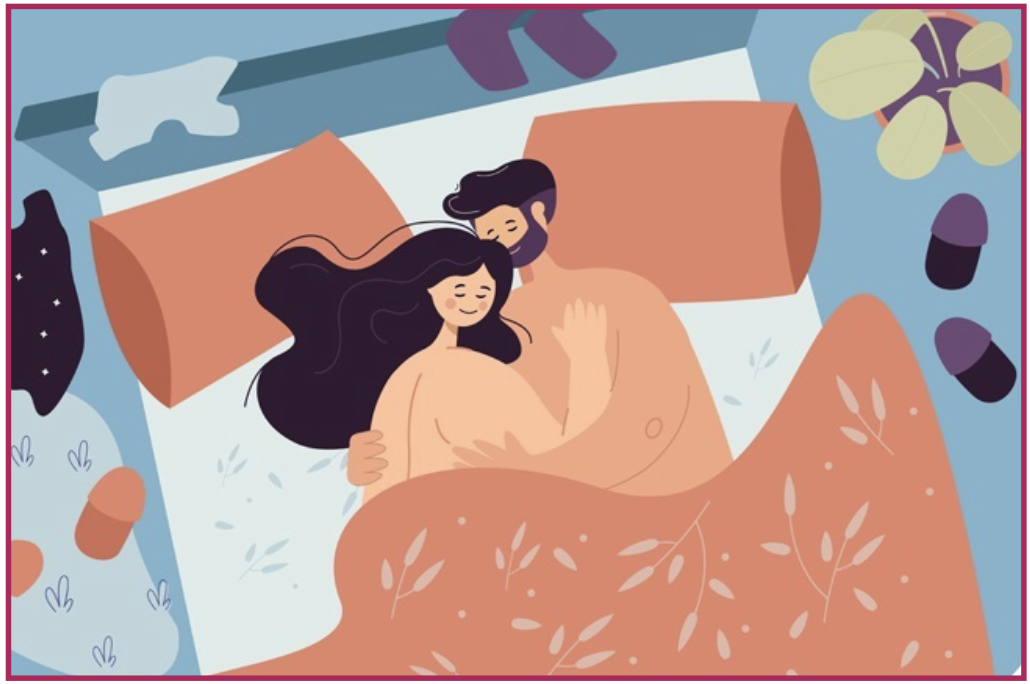
🟧 Attachment – Often known as companionate love, this stage is associated with monogamy. Close social contact provides feelings of calm, comfort security, understanding, & emotional union.
This allows people to cooperate with a reproductive mate until species-specific parental duties have been completed.
Attachment & intimacy are similar – which include love, emotional regulation & safety. The main difference is that in Attachment only the caregiver is expected to provide commitment, compromise, give-&-take & ‘seeing’ the other, whereas in an intimate relationship both people are (supposed to).
Attachment is the main factor in long-term relationships. While lust & attraction mainly relate to romantic entanglements, attachment promotes friendships, parent-infant bonding, friendships, social cordiality…. from : ☆ vasopressin, the essential chemical for developing long-term commitment & monogamy.
☆ oxytocin is released in large quantities during sex, breastfeeding & childbirth. The common factor is that all are precursors to bonding, but it’s important to have separate relationship categories for Lust, Attraction & Attachment.
NOTE : The fear-shame dynamic can underpin attachment, regardless of gender.
Fear makes you want to believe in someone
Shame makes you need to have someone believe in you.
☀︎ The fear-reactive person (more often female) is attracted to someone they can form a nurturing alliance with – who in turn promises long-term freedom from fear of harm, isolation & deprivation.
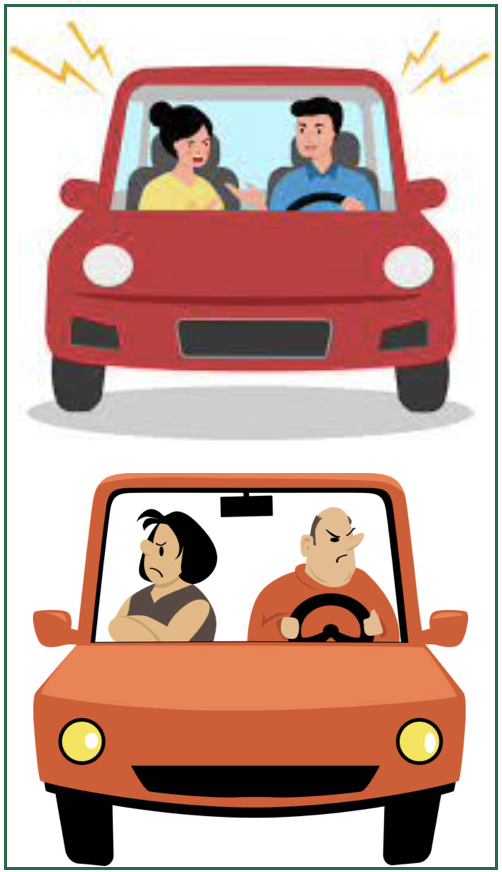 ☀︎ The shame-reactive** person (more often male) is likely to be attracted to someone who believes in them – unquestioningly! -, especially if they feel successful & can actively ‘take care of’ the other.
**Shame – for not being all powerful, competent & protective.
EXP : When going somewhere in a car, & she gets scared about how he’s diving, which makes him angry (More info).
It’s not one person doing something to the other – when they blame the other for their upset – but rather happening in combination, for not getting what they need & want from each other . (“If it were’f for You” TA game).
Couples can greatly improve their relationship if they identify the unconscious fear-shame dynamic – those painful emotions & negative, unrealistic expectations that undermine their interactions.
With the right information & willingness, together they can disarm the ‘game’ by getting in touch with their true values. On a deep level, neither wants the other to feel anxious or like a failure. By connecting at that level they are more compassionate with themself & each other, able to re-instate their original reason for bonding.
Stages of Bonding – Going from strangers to lovers. Although no two relationships are alike, most follow similar progressions.
 ◆ When people are still strangers, a relationship starts with Attraction.
Initial evaluation of another’s desirability is often influenced first by appearance, although many other factors affect the decision whether or not to proceed. These include personality, compatibility & shared values.
♦︎ In time, this is followed by a decision to pursue a relationship with a specific individual
♦️ As the relationship begins to deepen & familiarity grows – a bond forms, & people may feel they’re in love .
⚤ The formation of this bond is helped by the emotional & physical connection that sex provides. This can happen the first time at a different point in each couple’s early relationship – based on their individual preferences.
LOVE (rather than Dopamine – for pleasure & desire) is activated by the part of the brain having to do with selflessness & habits, which are developed over time. (study )
Norepinephrine is associated with the fight-or-flight response. This characteristic helps to understand why brain scans of people in love show such intense reaction to a picture of their loved one. It can be seen in all the reward centers & circuits of the brain, like the ventral tegmental area & the whole dopaminergic pathway.
The difference between love & lust is clearly observable in human behavior. Some traits of love-sex : experience of novelty, intrusive thoughts, focused attention, increased energy, powerful feelings…. This supports the idea that lust is a temporary desire for pleasure, while love is a deep, lasting emotion that requires time to mature.
NEXT : Attachment & Sexuality – STYLES, #1
 HEAL & GROW for ACoAs