
 PREVIOUS : Attachment & Sexuality – INTRO, #2
3 CATEGOTIES
Helen Fisher, PhD et.al. studied the 3 primary inter-related emotion-motivation systems in the brain for mating, reproduction & parenting : Lust, Attraction, Attachment (other 2 in Part b & c). Each one is associated with a distinct group of brain circuits – neural correlates & a behavioral repertoire
These 3 systems contribute to modern patterns of :
— marriage, adultery, divorce, remarriage
— stalking, homicide, & other crimes of passion
— clinical depression due to romantic rejection.
🟥 LUST (libido, sex drive) – needed to initiate the mating process with an appropriate partner. It’s a physical desire toward someone that does not have to include attraction, attachment, or deeper feelings, but must be satisfied by the instant gratification of a sexual encounter. The poet W. H. Auden called the sex drive “an intolerable neural itch.,” a powerful instinctual need.
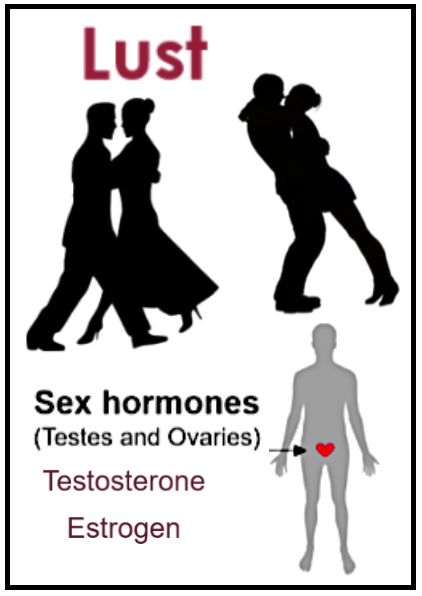 Brain chemicals involved in the sexual response include Dopamine, Oxytocin, & Vasopressin – which supports the pair-bond between the sexual partners (may induce the male to become aggressive towards other males).. It’s fueled by Testosterone, Estrogen / androgen neuro-chemicals, which are part of the physiology & sexuality of both women & men.
EXP : In women, estrogen promotes the function of two other hormones = testosterone, which increases sex drive, and oxytocin, ‘the love hormone’, released during physical contact & sexual climax. Women report being more sexually aroused during the ovulation stage of their menstrual cycle when estrogen levels are at their peak.
A study published in the Journal of Sexual Medicine looking at brain scans found that when the feeling of lust was activated (such as looking at erotic photos), the part of the brain associated with pleasure & desire lit up.
❥ Oxytocin helps reinforce positive feelings we already have toward the people we love. It is thought to increase desire, bonding, feelings of love & empathy, nurturing of children, & feeling calm (testosterone may block these, while estrogen increases them).
Although these effects may be a good things for monogamy, too much of it can cause the person – whose brain had been chemical hijacked – to dissociate from their environment, & act wild & reckless.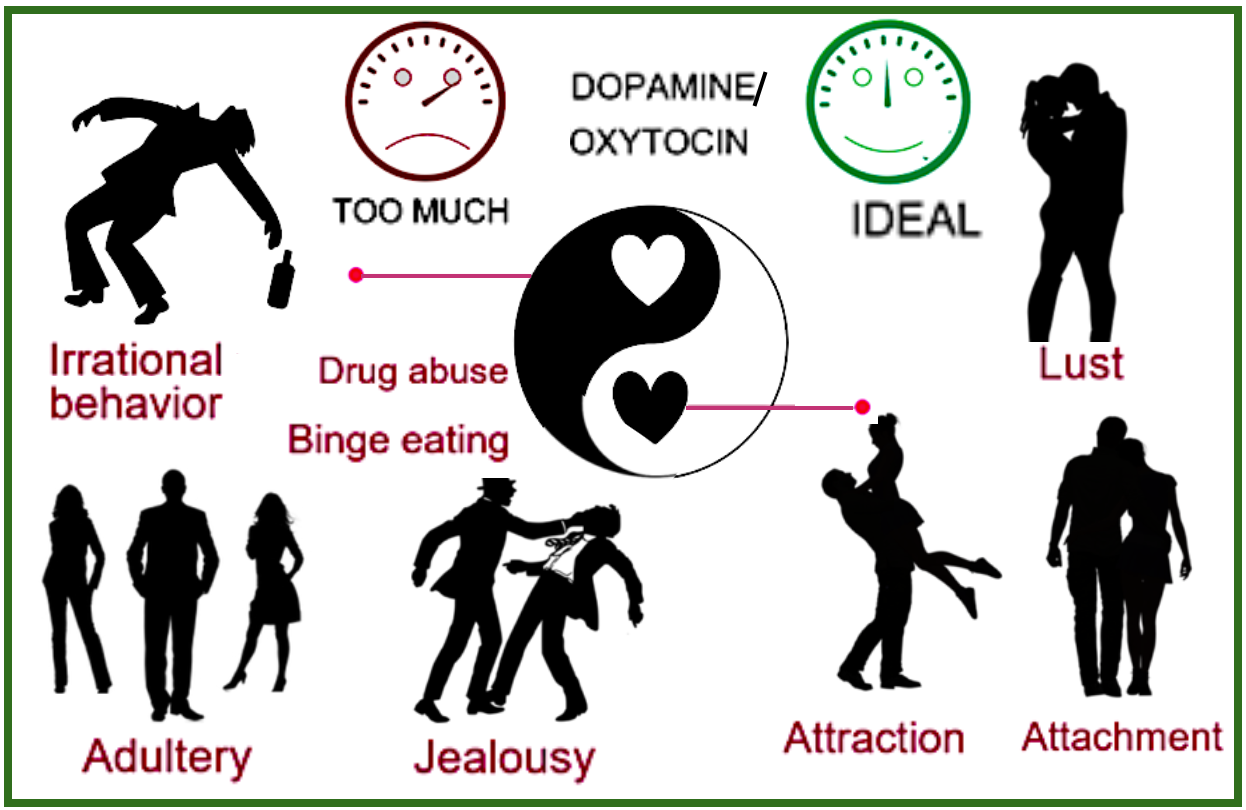
It also suggests that oxytocin plays a role in ethnocentrism, increasing attachment to people in our already-established cultural group —> making those unlike us seem too foreign, potentially leading to prejudice, segregation & violence.
❥ Dopamine & nor-epinephrine, a related hormone, are responsible for the majority of the brain’s reward pathways – controlling our virtues and our vices. D-Levels increase as a potential encounter with a desired object gets closer, triggering heightened attention, motivation & yearning.
When it gushes into the bloodstream, it can feel like taking a drug. It makes us giddy, energetic & euphoric, even leading to decreased appetite & insomnia. Sexual arousal seems to turn off areas of the brain (parts of the prefrontal cortex) that regulate critical thinking, self-awareness, & rational behavior. In short, ‘love’ makes us dumb, so we can end up doing things we later regret.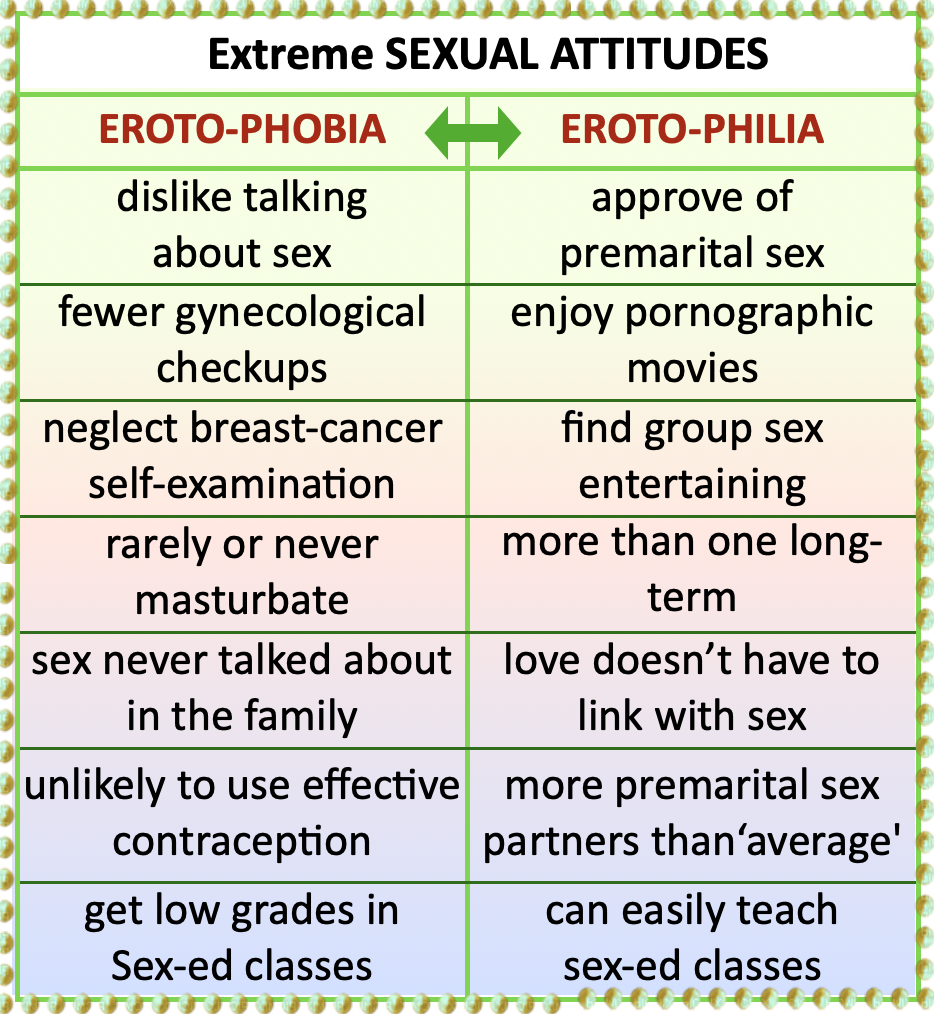
The same brain areas that light up when feeling sexual attraction are the same as when addicts use cocaine, when we binge-eat sweets, or become emotionally dependent on our partner.
And after a breakup, co-dependents longing for the company of their ‘lost love’ have similar chemical reactions to addicts going into withdrawal.
BUT the addictive response is temporary & on occasion, especially when the attraction is new.
Hypersexuality – is defined as “a repetitive, intense preoccupation with sexual fantasies, urges & behaviors that are difficult to control” = an actual addiction. This is not about an occasional spurt of too much dopamine.
Note : people with very active libidos are not automatically hypersexual. The key is that – as long as they’re in charge of their urges, desires & activities so it doesn’t interfere with their everyday life or hurt others – they’re not sex addicts.
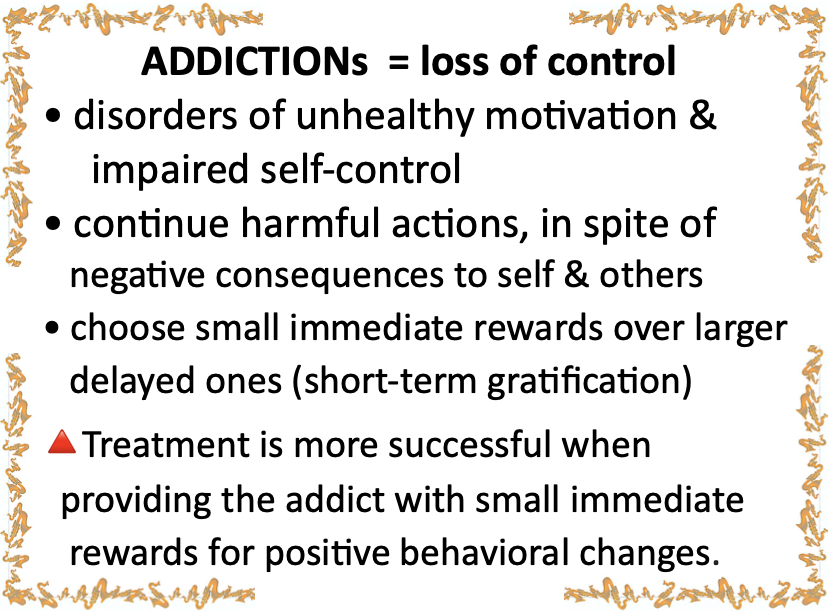
However – the most “sexy nympho or dog’ we know or who we envied in school may have seem(ed) carefree & proud of all their conquests, but that’s not necessarily accurate.
♥︎ Those who are plagued by constant obsessive thoughts & compulsive behaviors often have great mental & emotional distress (guilt, shame, fear of exposure….), causing major life problems and medical damage. (More… & Questions)
NEXT : Attachment & Sexuality #2
 HEAL & GROW for ACoAs