
PREVIOUS : FOOD- (#1)
SITE : “Eating disorders & Neurodivergence“
 ATTACHMENT Styles
♥️ SECURE : Child – develops a secure attachment when mom consistently attends to toddler’s needs, who looks for mom’s approval, but continues exploring around her.
Secure Adults – have a balanced sense of self & a healthy connection with others. Easily trusting themself & others, they can openly share ideas, feelings & desires.
With a secure attachment to mom, it’s likely the child will also have it with food. Food is abundant, a form of love, & not causing any fear. Secures approach food in a healthy, balanced & structured way, as well as getting pleasure, comfort & joy from meals. They value growth & health, food as a tool to heal & to share creativity & enjoyment with others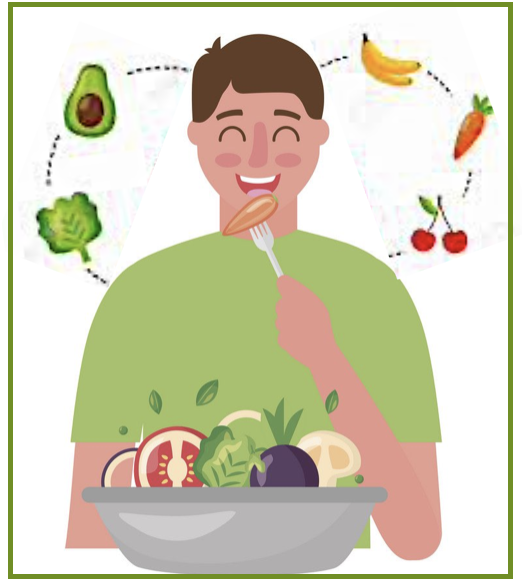 .
.
SUGGESTION : To develop a secure attachment to food, it’s best to have 3 regular meals throughout the day & small snacks in between.
Try cooking new tasty dishes, create fun dinner parties, & think of food as a way to positively maintain & increase the body’s electrical vibrations .
AFFIRMATION : “This colorful food is replenishing my body, mind & spirit. I can feel my energy expanding!
😼
2. ANXIOUS:
Child – An anxious attachment is formed when the mother is inconsistent in meeting the child’s needs, creating anxiety & fear of abandonment.
Adults with an unhealed anxious attachment may become addictive, constantly looking for validation & security from similarly inconsistent people, not wanting to be on their own. They scream their need for trust, security & nurture by chasing it externally from others, while sacrificing their sense of self.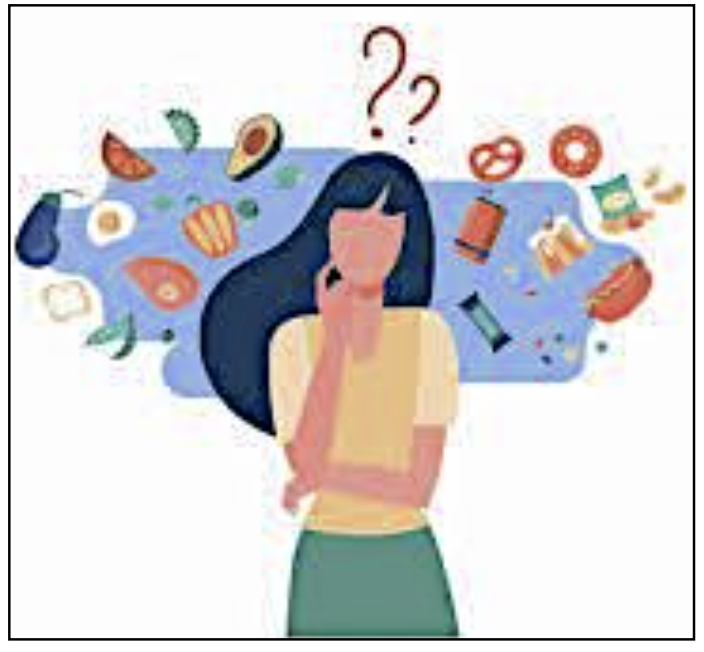
Similarly, this person will chase food as a way to soothe the emotional pain of not being validated, safe, or understood.
Overeating or binge-eating gives a false sense of grounding, a fullness they were regularly deprived of in their family. This leaves anxious attachers particularly at risk for eating disorders, with increasing severity of symptoms.
Because Anxious types are afraid of scarcity & being abandoned – tomorrow – eating now is considered predictable, reliable (at least in Western societies), the one thing they can rely on. This leaves anxious attachers particularly at risk for eating disorders, with increasing severity of symptoms.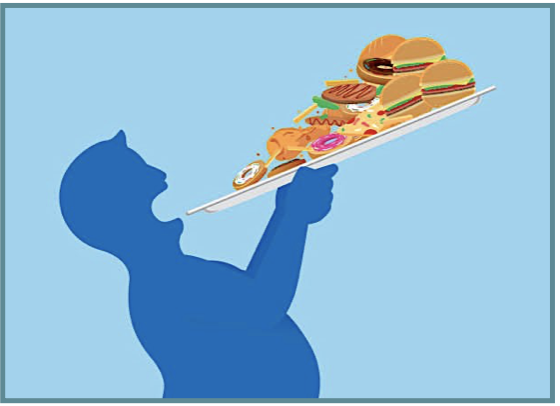
They’re addicted to negative thoughts about themself (S-H), with heightened emotional reactions to any slight, expecting to be rejected by those close to them, wanting constant strokes. Many will turn to fool to fill the emptiness rather than healing the trauma from childhood.
They use food to silence their emotional body the sane way their original caregivers did, teaching by word & deed that emotions are unsafe. Lacking internal boundaries, they don’t trust they can create a positive/ balanced relationship with food.
BINGE Eating Disorder (BED) – a common choice for the Anxious : The more you eat, the fuller you feel – physically. Food-fullness tries to quiet the ‘huger’ to be filled up by warm, loving relationships.
⬅️ EXP of some over-eating results 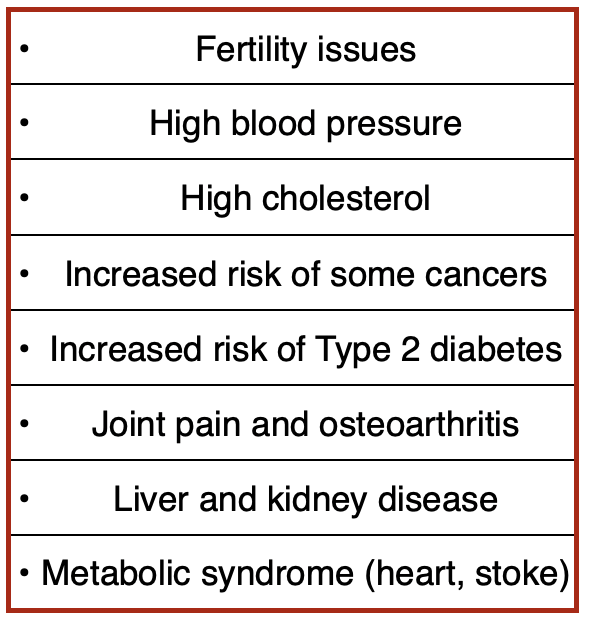
Ritual is important in any addiction. The day is planned around “the binge” – it’s something to look forward to, like a friend who will never disappoint. It fills the loneliness & quiets the anxiety. A lot of time is spent (wasted) thinking about when it will happen, what will be eaten, even avoiding certain foods earlier – to make the binge that much more pleasurable.
Tragically, it backfires. Alter the binge, the person (often women) will drown in self-criticism & shame, adding another layer to the original pain the binge was meant to mask.
SUGGESTIONs to heal anxious food attachment
🔆 make a daily habit of noticing when you’re emotionally shutting down, (see list) & instead —-> speak or write down the bottled emotions.
Ask : “What emotional need am I trying to get from food? How can I get more of this need (company, safety, comfort, guidance, nurture) from myself & from safe PPT (people, place & things) ?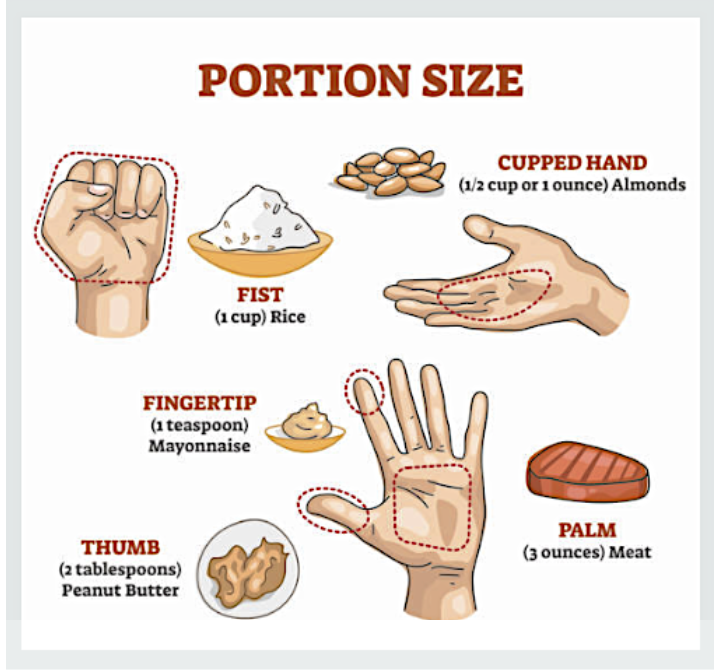
🔅Learn how to plan 3 moderate daily meals, with a few heathy snacks in between.
🔆Get a food-buddy for encouragement & to keep you on track (therapy, online groups, OA).
🌺 Keep to a structure throughout the day, as much as possible, allowing yourself to enjoy taking care of yourself – as you use food for nourishment instead of a numbing agent.
NEXT : FOOD – (#3)
 HEAL & GROW for ACoAs