
 PREVIOUS : Disorganized Attachment, #2
BOOK : ” Family Ties That Bind: A self-help guide to change through Family of Origin therapy”
ME : no / YOU : yes, sort of 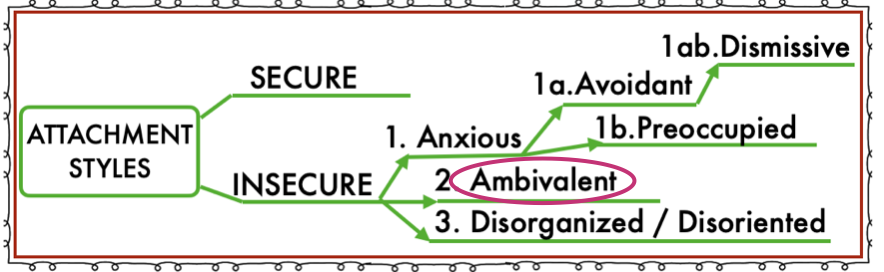
1. Ambivalent CHILD
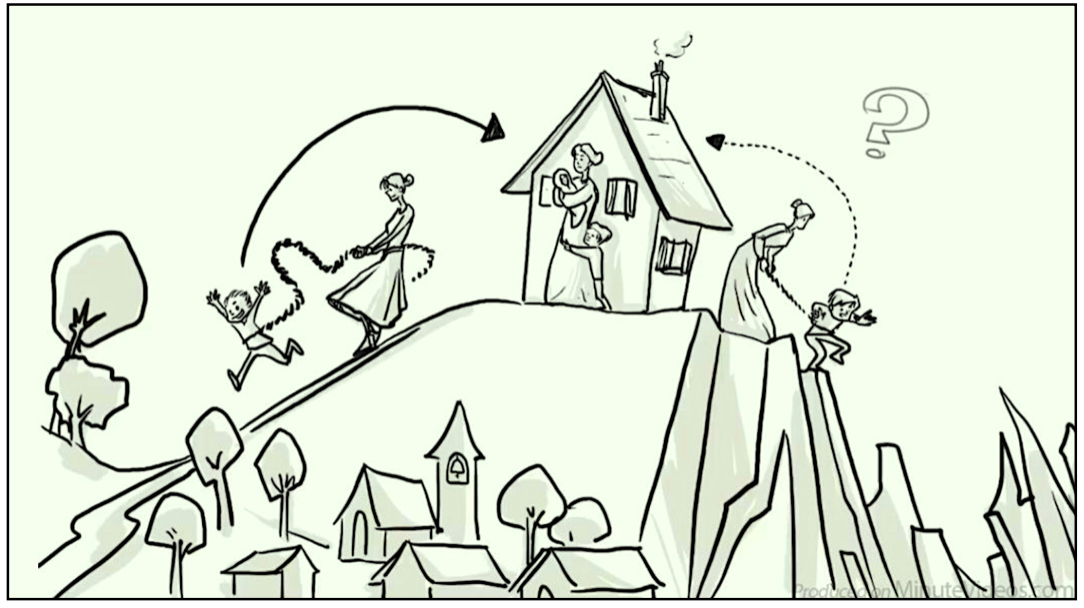
Some researchers consider the Ambivalent style the most disturbing because the child has no consistent attachment strategy, & therefore no real way for it to cope with given conditions.
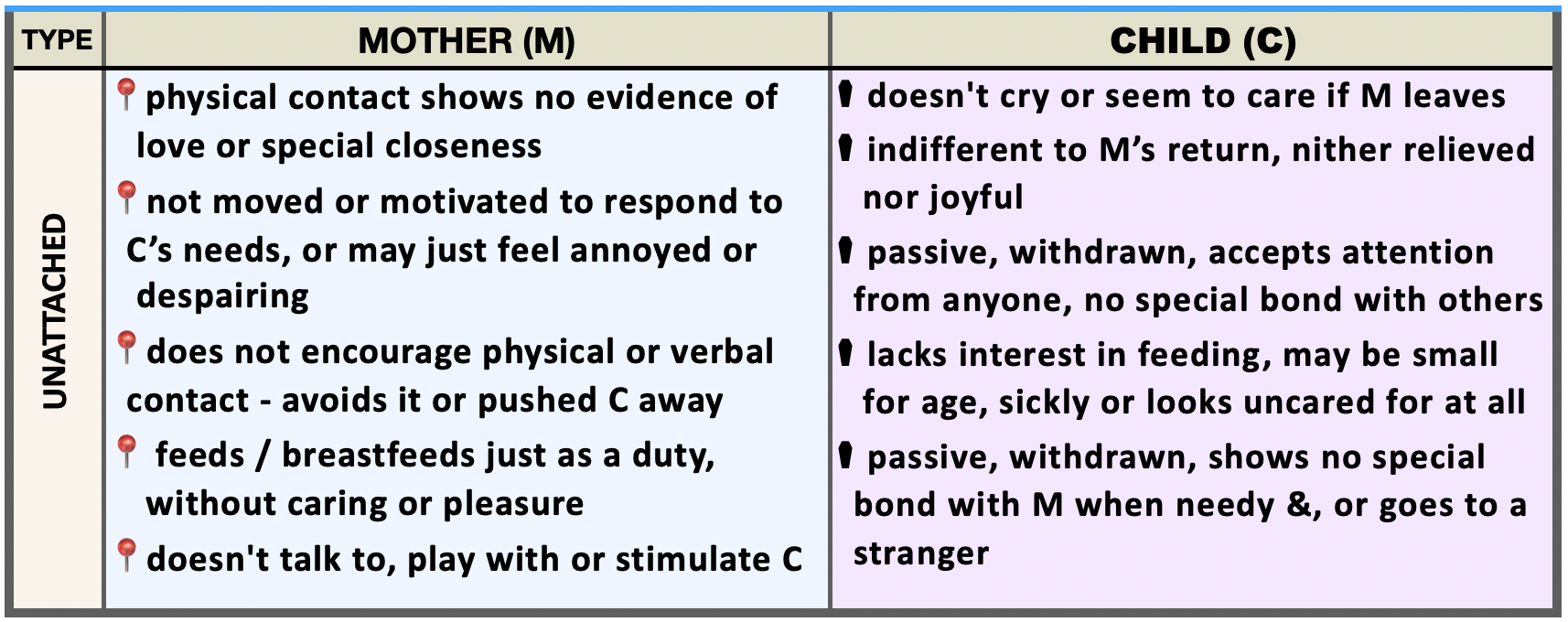
Research suggest suggest that this style is relatively uncommon in the US (only 7-15 % of infants), consistently linked to low maternal availability – the least responsive & least interactive. These are anxious parents preoccupied with their own needs & thoughts. As a result the child’s emotional anxiety is expressed as anger – with behavioral strategies that focus on attracting & keeping the mother’s attention : ‘If I cling or cry enough maybe I can get her to respond this time’
«
«
A variation is the Ambivalent/ Distracted Attachment.
It develops from mom (& later dad) continually imposing her emotional & mental state on her child, never synchronized to its needs, only her own.
EXP: Mother sees her child distracted, busily playing with toys (attachment light off) but she’s lonely & insecure, wanting someone to bond with (her light is on). She interrupts the child’s focus, joyfully picking it up – it’s her turn to play, as if the child is a doll. The interaction looks good, but when she’s had enough, she’s on to something else. The effect on the child is damaging.
A distorted existence develops in the child as mom continually pushes her own agenda, disrupting the child’s attachment center, causing it mental confusion & emotional pain. The child never knows when its own needs are allowed or if its own signals to connect will be met. So its light is on & will stay on, just in case the parent responds.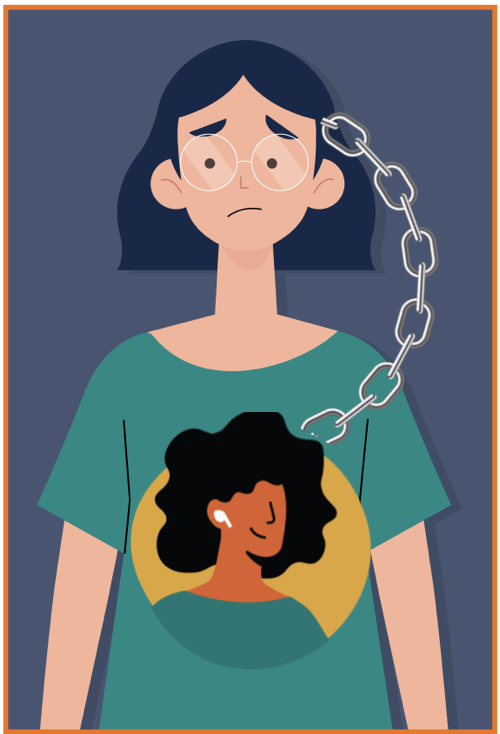 Totally lost, the child has to guess when mom or dad will be ready to bond. Not wanting to miss out, hopefully, on something good (“crumbs?”) —> becomes this highly sensitive, hyper-vigilant child’s main motivation.
Instead – Ambivalent children take care of parents’ feelings & needs rather than parents taking care of children. They feel responsible for the adults, so must always be available & on guard for mom & dad, developing the unhealthy dynamic of the “parentified child”, who can never rest.
2. Ambivalent ADULTS
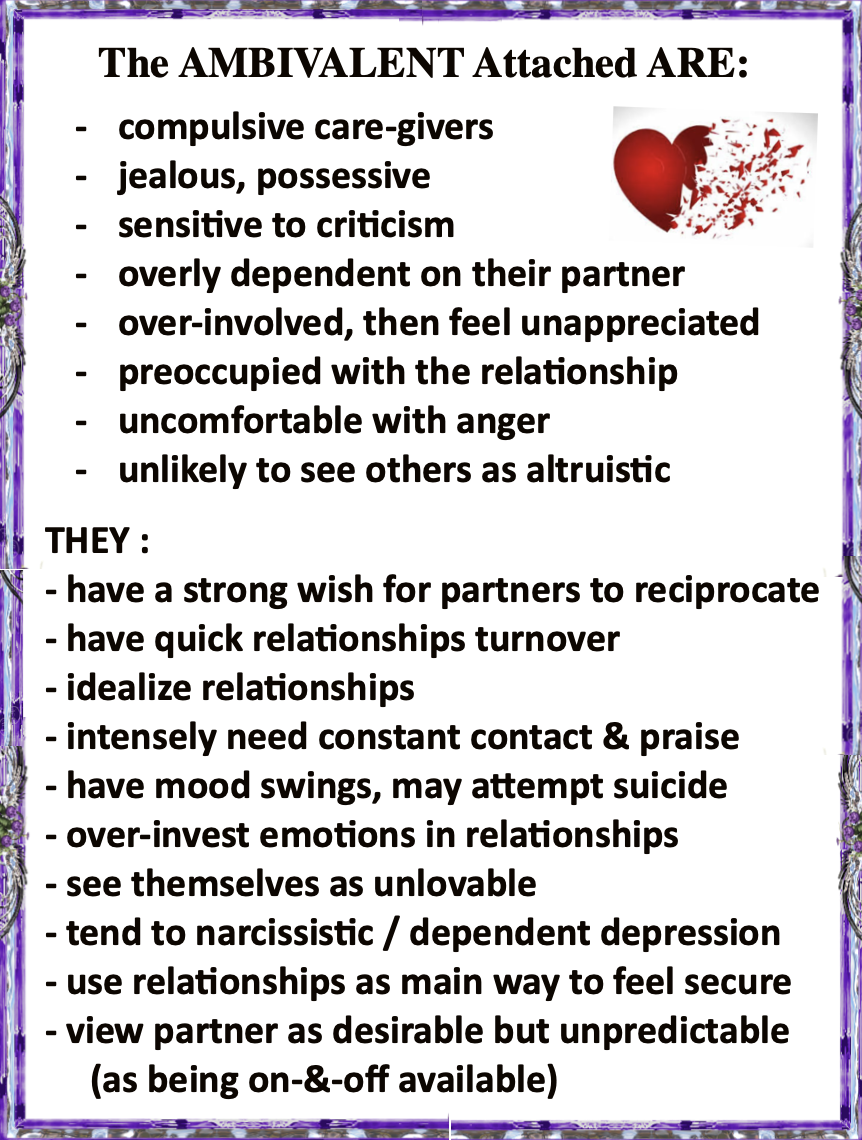
These adults are reluctant to get close to others, & when they do they assume their partner won’t reciprocate their feelings. This leads to frequent breakups, often because the relationship feels cold & distant. Feeling over-connected, Ambivalents are especially distraught at the end of a relationship, experiencing high anxiety.
A pathological pattern in Ambivalents is clinging to young children as a source of security (emotional invest). Also, they can develop emotional problems like depression , anger issues. & more prone to developing PTSD symptoms, from childhood trauma.
⬇️ EXP : The CYRANO – effect, the ‘hunger’ for a particular relationship, even though it’s hopeless. (“Cyrano de Bergerac”). 
Ambivalents want to grow closer to their romantic partner than the other would wants or needs, & are still hyper-vigilant = now highly aware of their partner’s every move.
They often use emotional manipulation & guilt to make their partner stay, which can backfire, actually increasing their distress. Being so needy, they can become the pursuer, & look for outside sources to help them manage their painful emotions.
Ambivalents tend to be both anxious & hostile, with a more negative, untrusting view of humanity as a whole. However, because of a pervasive fear of abandonment, they need constant reassurance that they’re loved.
They don’t understand personal space, having weak or no boundaries, so their obsession to be with the romantic partners can become too stifling, which will frighten the other person away.
Ambivalents are in a catch 22 – with a deep need for closeness but can’t trust their partner to be emotionally available. The effect can be disastrous. When a partner doesn’t feel trusted, it erodes the very foundation of a good relationship.
Initially, they might think, “Oh, they just need more of my attention.” Since they’re into you, they’ll go along with it – for a while – until the constant need for reassurance goes over-the-top, then is annoying, then old. The end is close. And when they’ve recovered from the loss, the Ambivalent will try this all again with someone new.
«
«
NEXT :
 HEAL & GROW for ACoAs