
 PREVIOUS : Anxious – Avoidant – GROWTH
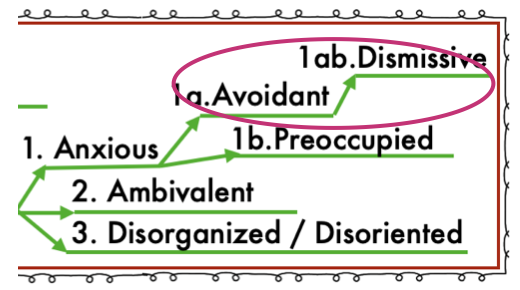
💚 ME – yes / YOU – no
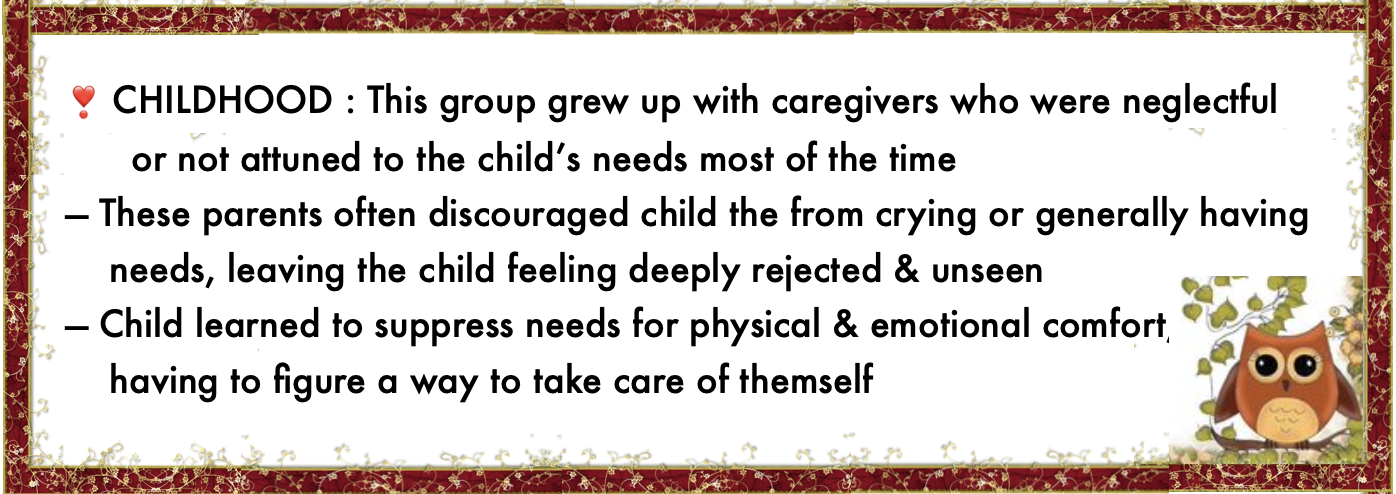
Dismissive Avoidants (D-As) seem to have a high opinion of themself, with a low assessments of others in relationships. While having some underlying traits similar to Fearful Avoidants, this type would rather rely on themself to meet their needs because they can’t trust anyone else to do it.
Unreliable caretakers in childhood have left them with a deep subconscious fear of intimacy, so close attachments are considered un-needed & pointless.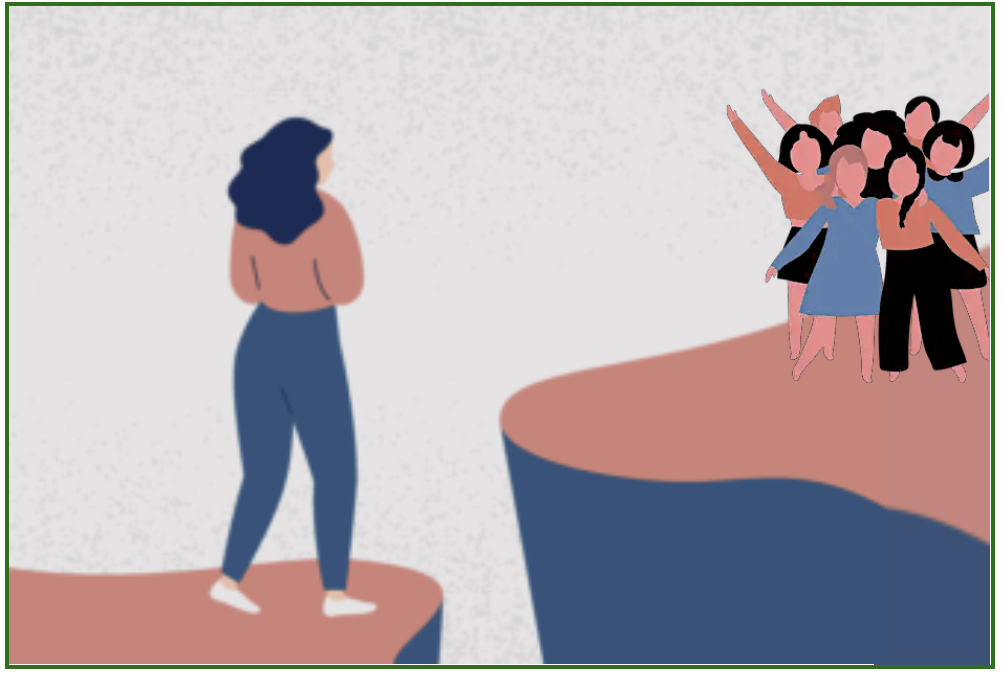
☻ What they’re mainly avoiding are early traumatic memories of childhood pain, & the current pressure of closeness which includes expectations & messy emotions.
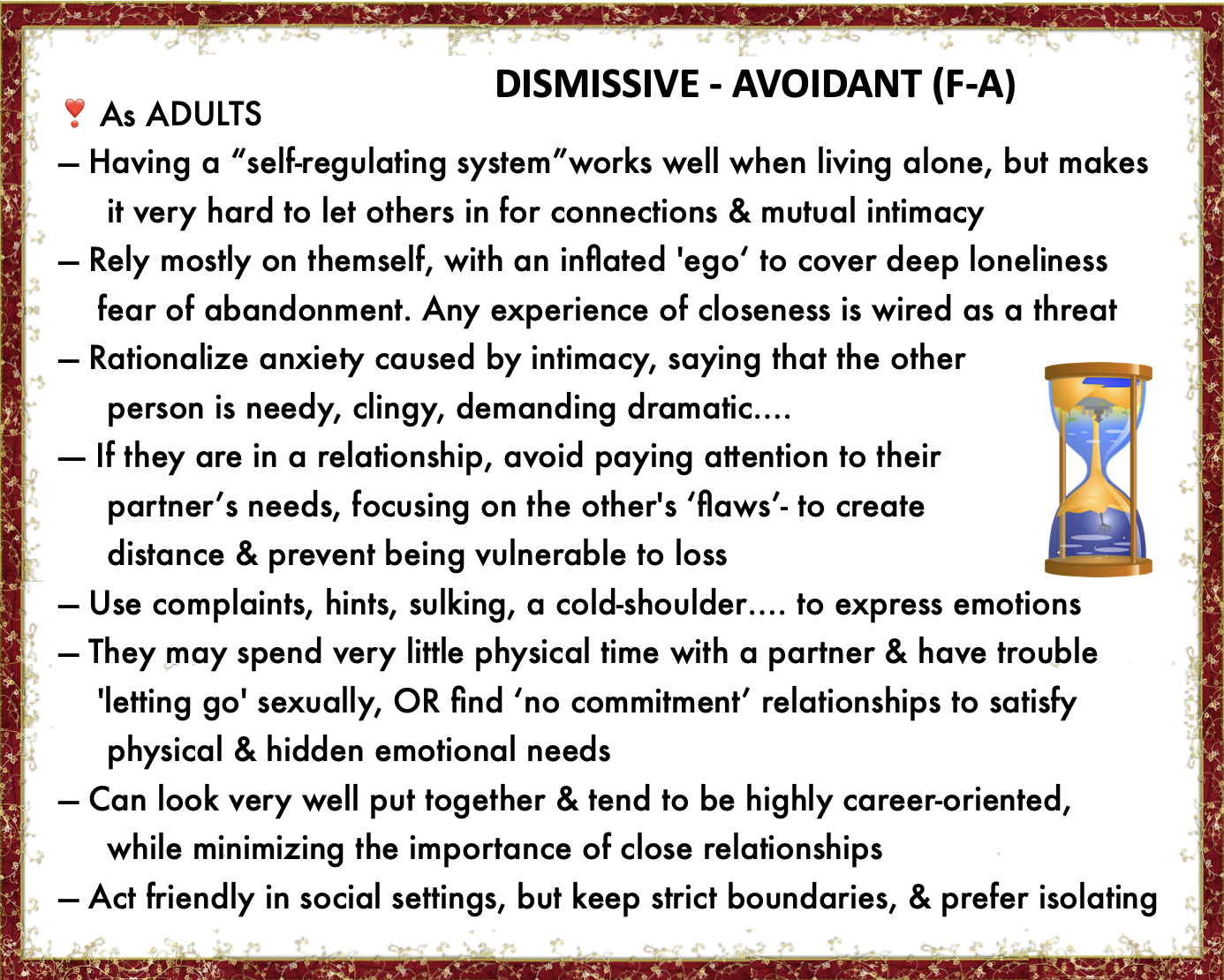
D-As have a high avoidance but low anxiety profile, unlike those with the Preoccupied style. They see themself as independent of others, uncomfortable with any form of intimacy, so are psychologically distant, rarely sharing innermost feelings.
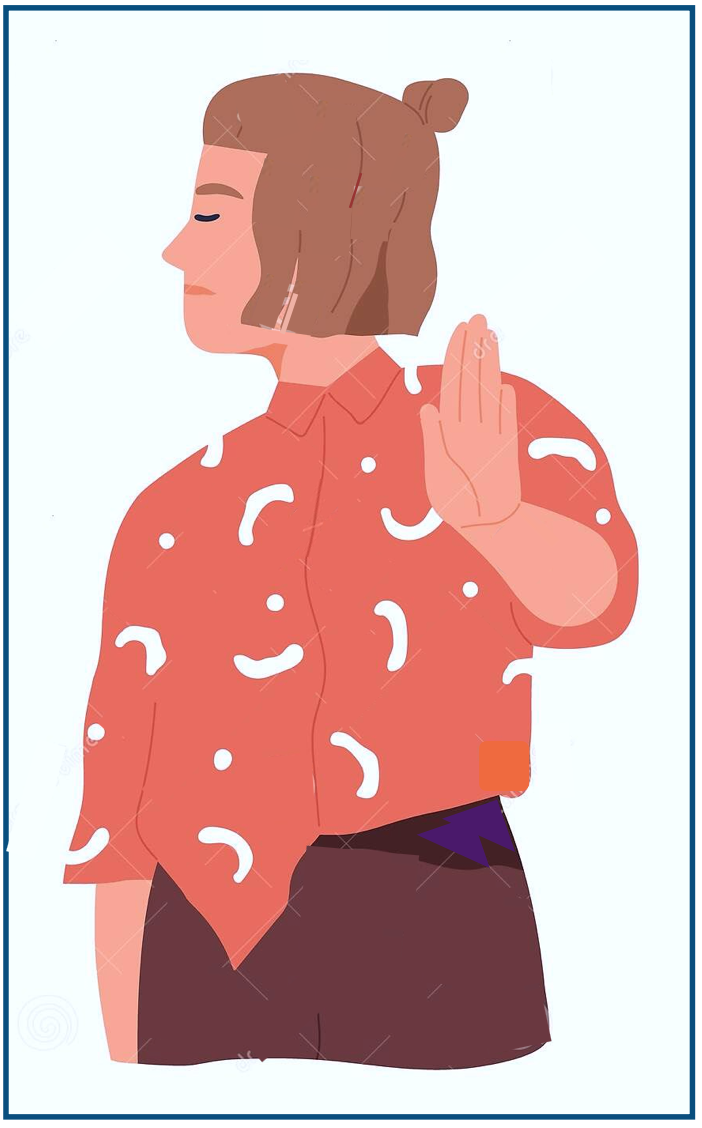
They will proudly say they value their self-sufficiency & independence, experiencing attachments as strings that hold you down. They see needy people as weak, & that empathy or sympathy are for lesser creatures, so will not support partners during stressful times.
When dating, at first avoidants can be charming, having learned all the social graces. They know how they’re expected to act in courtship & can play the role well – for a while. But without a positive view of one-to-one connections, Dismissing-Avoiders expect a relationship to fulfill a romantic ideal which no human can fulfill, so everyone always falls short. ‘Naturally’, dates & mates are discarded when they become too annoying or invasive.
D-As make poor adult-partners, not taking attachment issues seriously, & find it hard to be supportive to children & friends.
If they let themself be in a relationship & the partner keeps trying to get attention & be intimate, the D-A will pull away – rejecting the relationship as burdensome & will likely end it.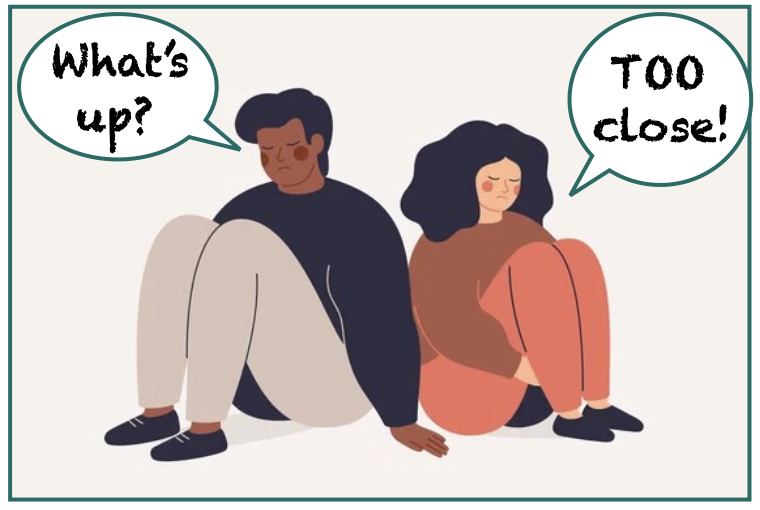
Instead – they get their needs met for attention, sex & community by being with un-demanding partners who don’t ask for real reciprocation or emotional closeness (like an Anxious-Preoccupied).
Because D-As don’t invest much emotion in relationships, they’re not very upset when one ends. They often avoid intimacy by using excuses (such as long work hours), or may fantasize about other people during sex. Afraid of losing autonomy, they avoid emotional, even physical closeness (have a lower sexual appetite). Research has also shown that adult Avoiders are more accepting of & tend to engage in casual sex.
The more extreme avoidants are almost incapable of talking about their emotions, & whatever feelings they’re aware of are mainly negative, but have great can’t find the words to describe them.
This syndrome is called alexithymia, the roots of the word literally meaning “having no words for feelings,” which is not the same thing as not having feelings. In the worst cases, some can only express themself with incoherent rages & tantrums.
Or it will show us as unexplained physical symptoms – such as stomach pains and adrenalin rushes, fast heart rate, loss of energy, nervousness, “uncomfortable in one’s skin…”
NEXT: Dismissive-Avoidant #2
 HEAL & GROW for ACoAs