
 PREVIOUS : GRIEF types (S, T)
SITE: “The Gifts of Grief Brain”
BOOK : “The Grieving Brain”
DEFs : Grief is a natural response to loss, so we’ll feel it forever. It’s as if someone turned up the volume dial all of a sudden, knocking you off your feet & crashing over you like a wave.
EXP: Anger & grieving can go together. If someone blows up at a dinner party over a small dispute, you think, “What’s happening with them?” And then you remember, “Oh, they’re grieving & everything is amped up a bit.”
Grieving, on the other hand, has a time component, so our relationship to that original grief changes over time, which involve changes in the brain. It happens as we adapt to carrying the absence of the lost one with us.
Some people have the mistaken belief that once they work through the initial grief, they’ll never feel sad or struggle again. Or they secretly know this isn’t true but are determined to never open old wounds. The reality is that although we can heal, the memories & pain may come rushing back when we least expect it if something reminds us of what happened – even many yrs later.
EXP: Even though Mary had time to adjust to her mother having died when she was 10, the grief hit hard again when she was getting married at 20. 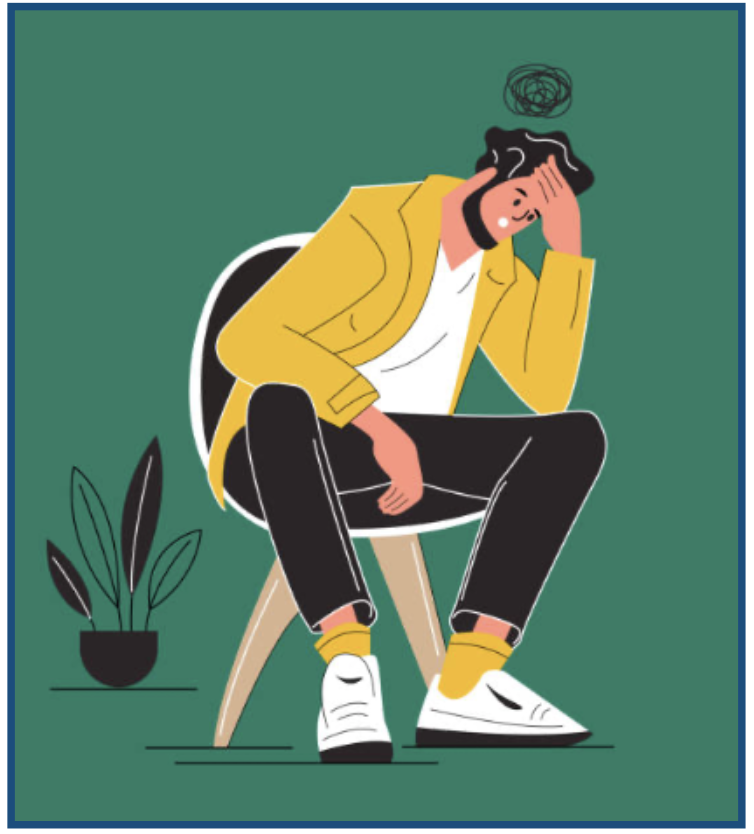
Being in a close relationship binds our sense of self with that other person. The ‘we’ is as important as the ‘me‘ or ‘you‘ because the brain really does encode it that way. So when someone says “I feel like I’ve lost part of myself,” it’s for a good reason, since the brain ‘feels’ that way too.
So, what’s happening in our brain ?
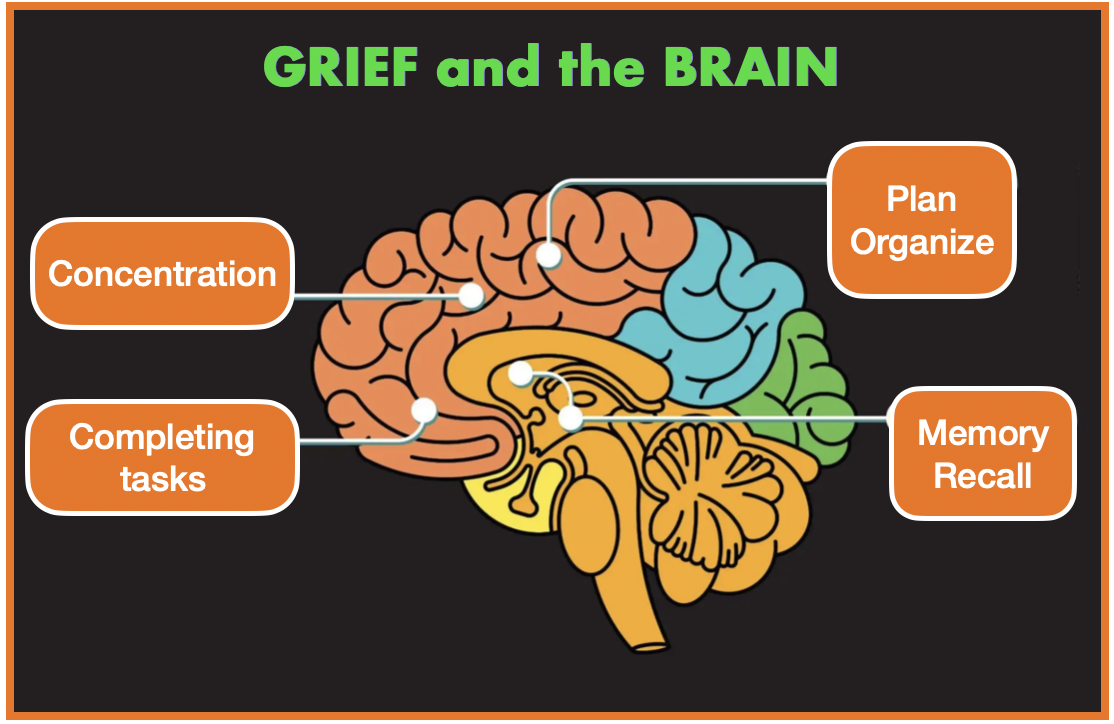
We know that grief is tied to all sorts of different brain functions, from recall memories to taking on the perspective of another person, to regulating our heart rate to having the experience of pain & suffering. So many parts orchestrate the feeling of grief.
We know that the death of those close to us is one of greatest human stressors, affecting us emotionally & physically. What we’re not taught is that this intensity can lead to grief brain.
 Sorrowing can impact the brain to worsen memory, thinking & concentration. You might feel spacey, forgetful, or not able to make “good” decisions. It might even make it really hard to talk & express your thoughts. Fortunately for most people, the worst of these effects are temporary.
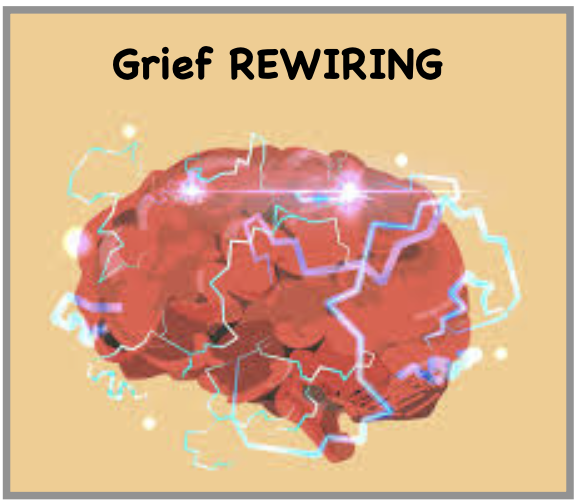
BUT – if intense symptoms last more than 6 months (the ‘norm’) – there’s a greater chance of developing unwanted changes in brain & body. A 2019 research review on neuro-imaging verified this. Brain imaging studies on grieving people show increased activity along a broad network of neurons. With the severity of emotional distress, the brain starts to rewire its regular nerve connections, creating new pathways, Chronic stress puts the brain into long-term survival mode. Prolonged grief can change the way you see the world, replacing long-held beliefs.
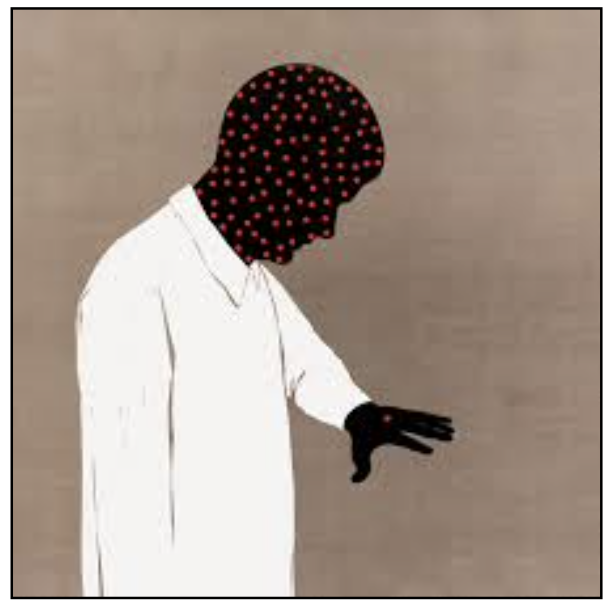 EXP: Because of this, many grievers have a tendency to interpret physical symptoms as threatening, especially if they already tend toward hypocondria.
Google gets billions of searches on phrases like “I have a toothache, am I dying?” Before, a headache was a headache, but after a devastating loss, you’re all-too-familiar with the reality that life can turn on a dime. Suddenly that headache is considered a sign of something terrible. SEE : some ‘paranoid’ thoughts .
REASON : Blood is ‘diverted’ away from ——> the prefrontal cortex, the higher thinking regions needed for decision-making, becoming less active ——> to the limbic system which takes over, with its emotional & fear-based areas that are all about survival. And constant reminders of the loved one’s passing, (their favorite shirt or TV show), can keep triggering stress responses, making these new pathways stronger.
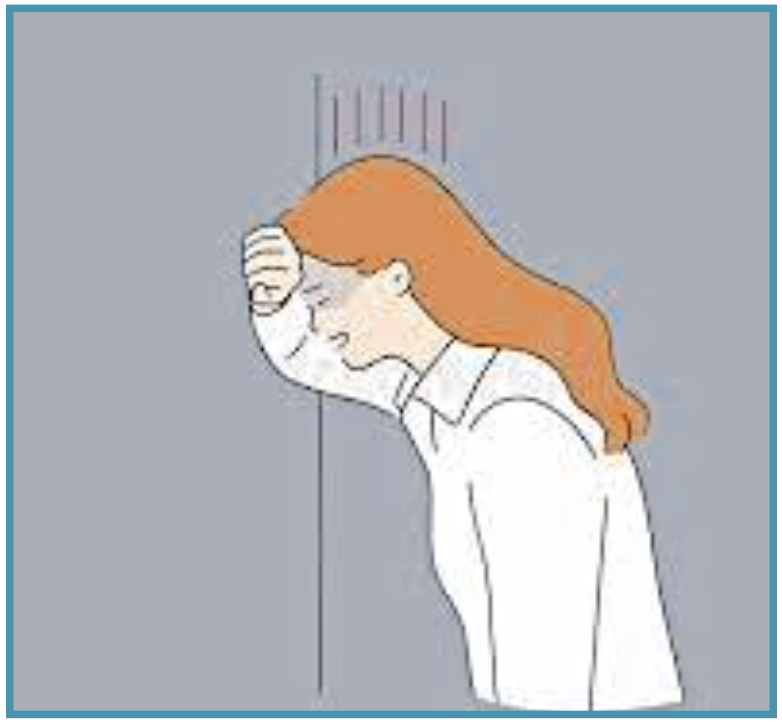 Researchers found lower amounts of rumination, excessive cortisol & inflammation in people who are resilient vs. those who are less so. And the resilient ones had lower depression rates with higher emotional stability.
But for less resilient mourners – besides forming physical ailments, they also have mental health problems – especially if their loved one dies suddenly or violently. Unexpected death is often associated with PTSD & Panic Disorder.
NEXT : Grief – #2
 HEAL & GROW for ACoAs