
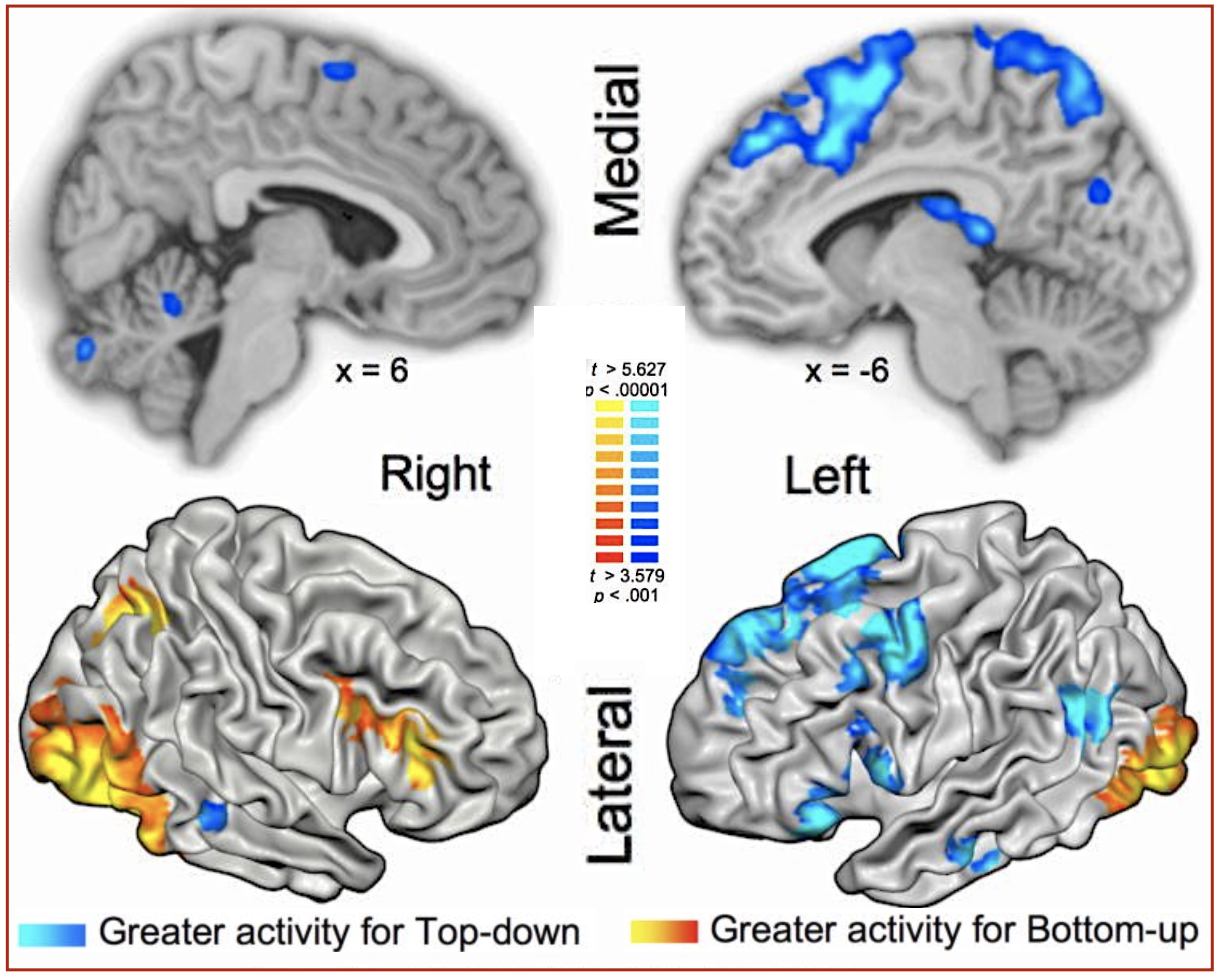
 PREVIOUS : Bottom-UP
NOTE: This type of Inhibition is NOT about negating oneself out of fear, self-hate & lack of boundaries (Post “Over-controlling ourselves, #2“)
In physiological psychology, inhibition refers to the suppression of neural electrical activity.
In personality psychology, inhibition (self-restraint) is the capacity to think before you act – which involves controlling our automatic urges (attention, behavior, thoughts, emotions) —-> by pausing, then using attention and reasoning to respond appropriately.
It’s the conscious or unconscious ability to stop ourself from doing or saying something that would harm personal goals or social standing, injure someone we need or care about, or prevent a negative consequence to self or others.
Inhibitory control has 3 stages : (1) interference over emotional impulses (2) action restraint or suppression (early response), (3) action cancellation or termination (late response).
Conscious inhibition is often used in daily life, especially when faced with conflicting needs or wishes, serving a necessary social function
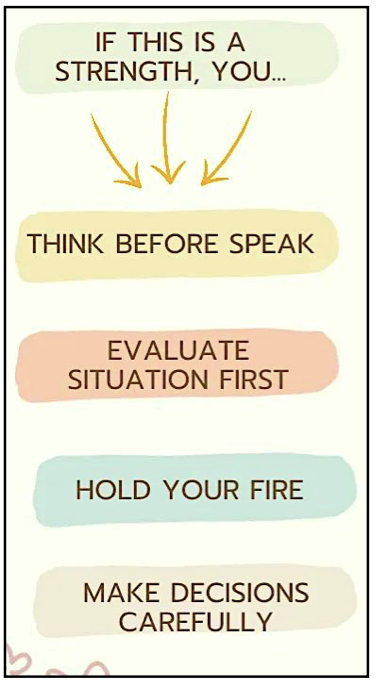 ☆ TO lessen or prevent harmful impulses from being acted out toward others (not hitting someone when in a rage)
AND
☆ TO make it possible to delay gratifying a pleasurable activity when it can harm oneself or someone else. EXP :
— resist the urge to scratch a mosquito bite
— not interrupt someone when they are talking to us
— pull ourselves out of obsessive negative thought patterns & self-talk
— stay focused on a task even with several distractions all around us
— stay quiet when we’d really like to say but know we shouldn’t…..
Response inhibition is part of Positive Mental control (an executive function), a core feature of self-regulation (S-R). Adults mostly restrain emotional displays, as various pressures & events increase its importance. EXP : when negotiating, it’s self-defeating to reveal one’s wishes or feelings too much.
 Participation in human culture involves performing complex tasks, & effective performance can benefit from inhibiting any responses that might disturb, distract from or compete with one’s needs
It’s allows people TO :
initiate, adjust, interrupt, stop, or change their thoughts, feelings or actions (T.E.As), in order
to accomplish something desired, or to maintain a current standard of living.
It’s also important for learning, because to master new info one must restrain unhelpful, automatic behaviors or previously learned patterns.
Types of Inhibitory Control
Cognitive: the ability to control our focus & attention while surrounded by several distracting stimuli.
LOW control = distractibility and inattention
Behavioral : the ability to control the urges to react or respond to situations because we know it would not be appropriate to do so.
LOW control = impulsivity
Emotional : the ability to control or regulate our emotions.
LOW control = outburst, tantrums
Motor : the ability to control our motor behavior, such as staying in our seat in class even though we feel bored.
LOW motor inhibition looks like hyperactivity (ADHD)
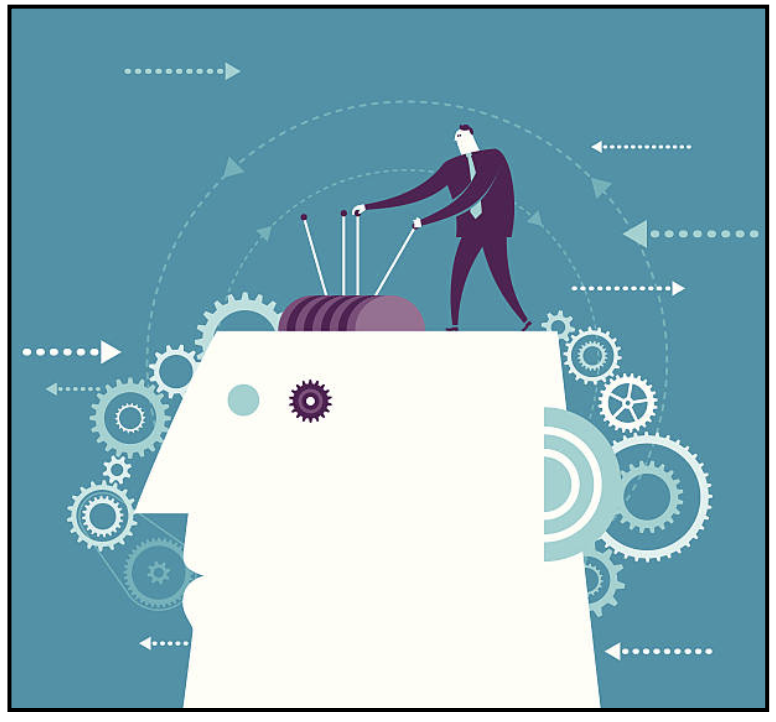 Inhibitory control begins to develop at the end of the first year of life. It progresses quickly until the age of 6. Over the next 20-30 years the person’s prefrontal brain grows, allowing the top-down generation of emotions & emotional self-regulation. Then it slowly declines as we age.
Our brain is adapted (prefrontal cortex) to function in complex social environments, with specific neural mechanisms (antennae) acutely sensitive to any sign that membership in our ‘group’ might be in trouble.
So most people regulate their actions to avoid being excluded from whatever community is important to them.
➖ An extreme lack of inhibition is disruptive, a symptom of certain mental disorders such as the Behavioral, Antisocial, Sociopathic & Schizophrenic ones
EXP : ADHD is considered a developmental disorder of inhibitory control, with a less mature or active prefrontal cortex
➕ Too much inhibition can be personally destructive, causing sexual frigidity or impotence, &/or a neurotic inability to feel or express most emotions. (Response Inhibition….)
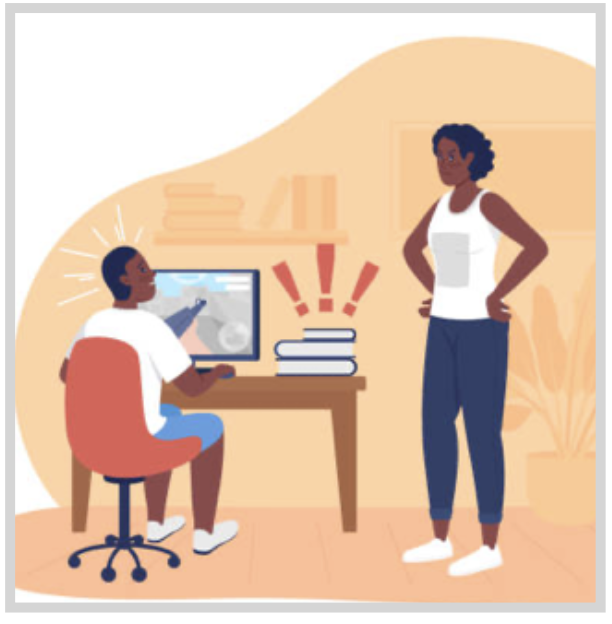 GENERALLY : Females have a greater basal capacity than males for inhibition control, the brain connections that allow different areas to work together which limit unwanted or habitual behaviors . Also Fs respond differently than Ms to environmental cues.
EXP : Listening to music tends to significantly improve the rate of inhibition-responses in females, but reduces it in males.
NEXT : S-R = Top Down, Bottom Up
 HEAL & GROW for ACoAs